Build something real this weekend.
Every project ends in something you can show. Filter by what you want to make, or the career you want to try on.
Every project ends in something you can show. Filter by what you want to make, or the career you want to try on.
Showing 6 of 37 projects ·
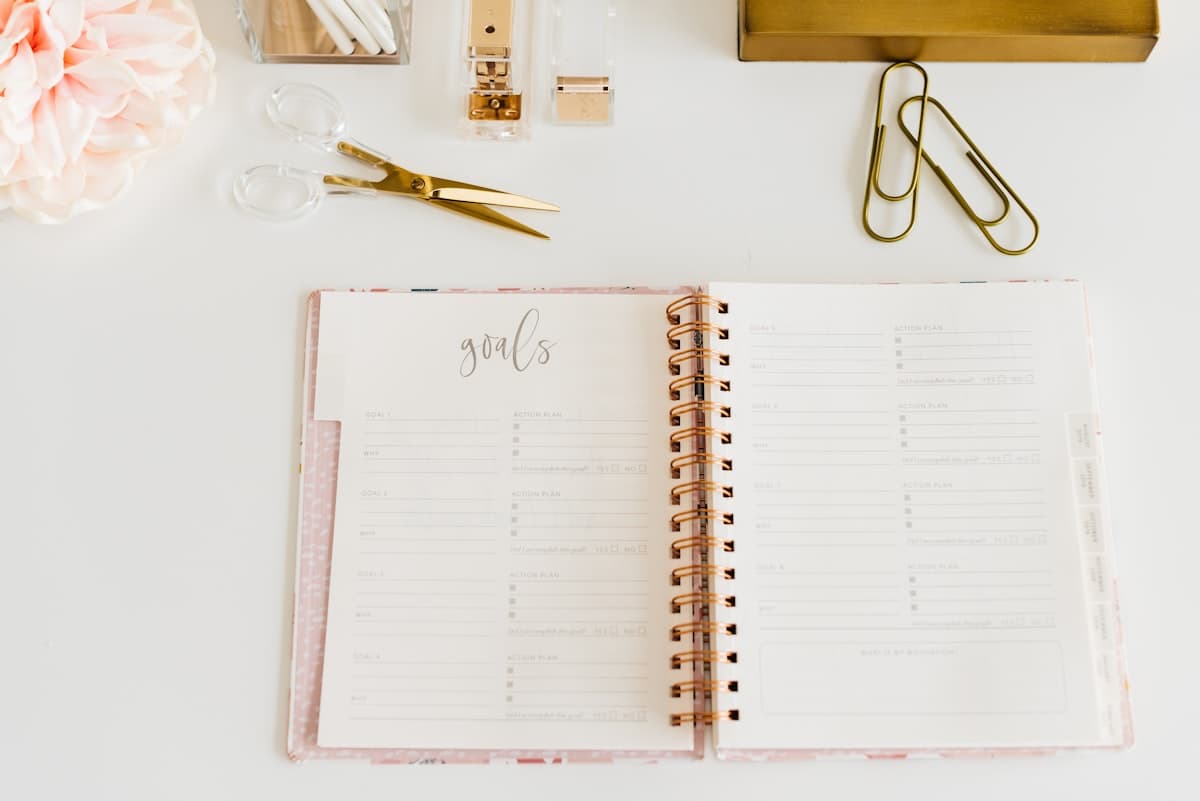
You're going to design a Notion template, a page setup other people copy and fill in with their own stuff: a student planner, a college-essay tracker, a place to track internship applications. The skill is deciding what people fill in themselves, what has to stay the same for it to work, and what they can delete, then getting real people to use it. That's the part of design that lasts. You'll have something real people copy and build on.

You're going to build a real web app, a small program that runs in a browser, for one thing you wish existed, and put it on the internet where people can use it. The hard part is picking the ONE job it does well and cutting the rest, then fixing what breaks when a real person tries it. That is what software engineers do: turn an idea into a working thing, and decide what not to build. You'll finish with a link you can send anyone.
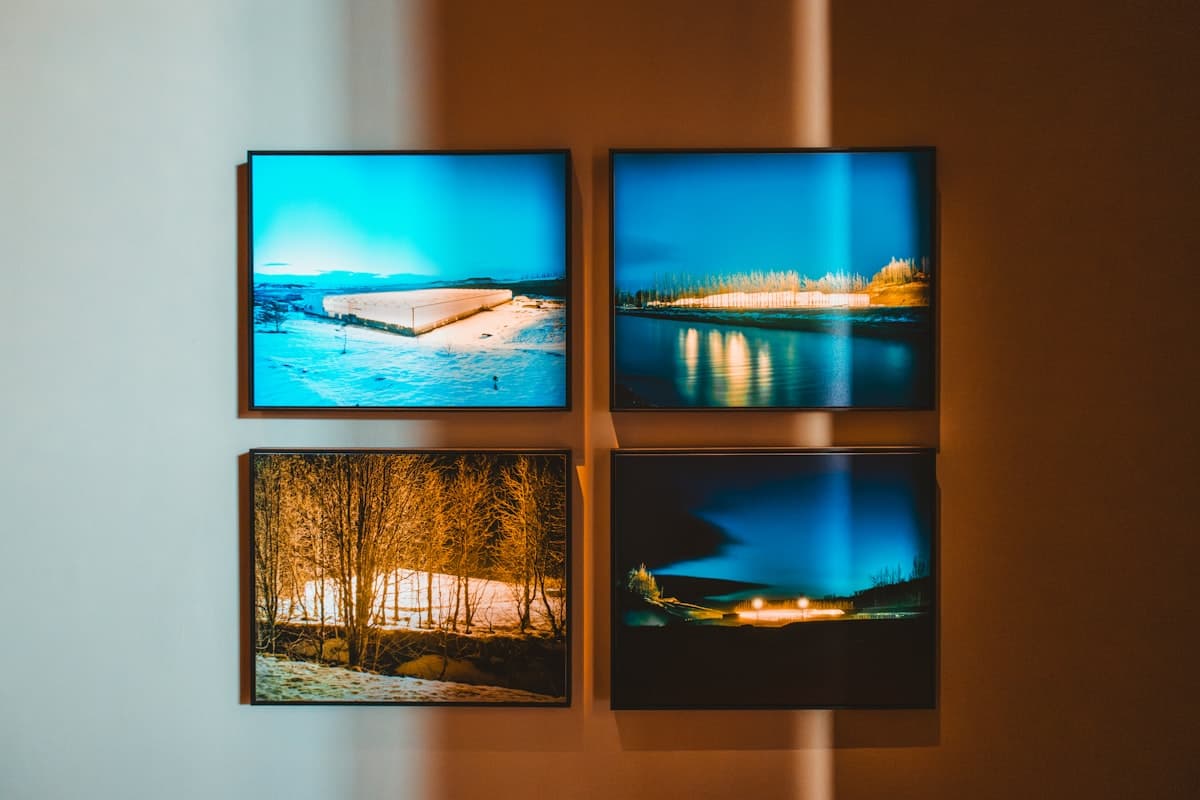
Make a hundred AI images, then prove you can pick the twelve that belong together. You'll settle on one look and hold every image to it, so tightly that a stranger can tell at a glance they're all one set. Making images is easy now, and choosing the right twelve is the whole skill. That part is yours.
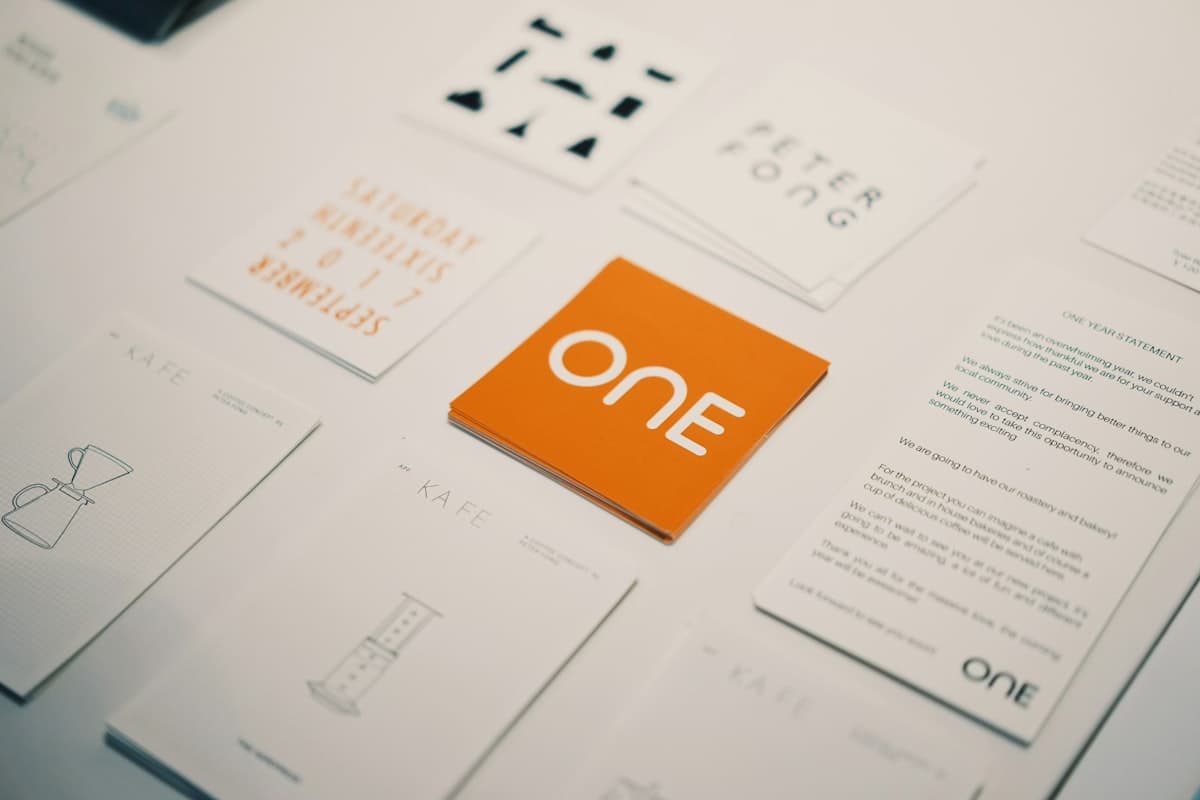
You're going to turn a one-page plan into a whole look for a business: a logo, a set of colors, fonts, and three pictures showing it used in real life. The skill is making it hold together: picking ONE look out of all the options and making everything match it, then saying why that one fits the plan. That's what brand designers actually do, decide what belongs and what doesn't. You'll have the whole look plus a document that shows it off.
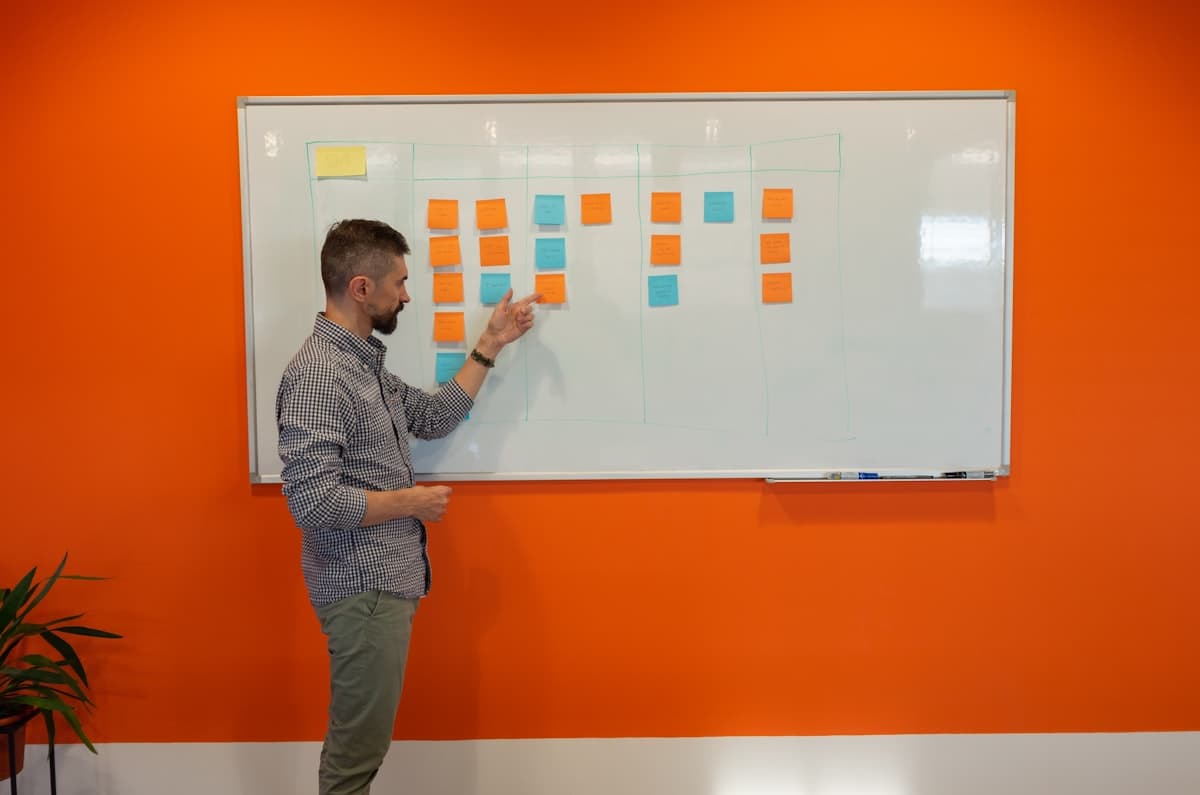
You're going to write a real plan for one new thing you want a product to do: what it is, who it's for, and how you'd know it worked. Product managers call that a PRD. Then AI plays three people who tear into it: the person who builds it, the person who designs it, and the boss who pays for it. You decide which complaints to take and which to argue with, then rewrite. That's the actual job: deciding what to build and standing behind the call when smart people disagree.
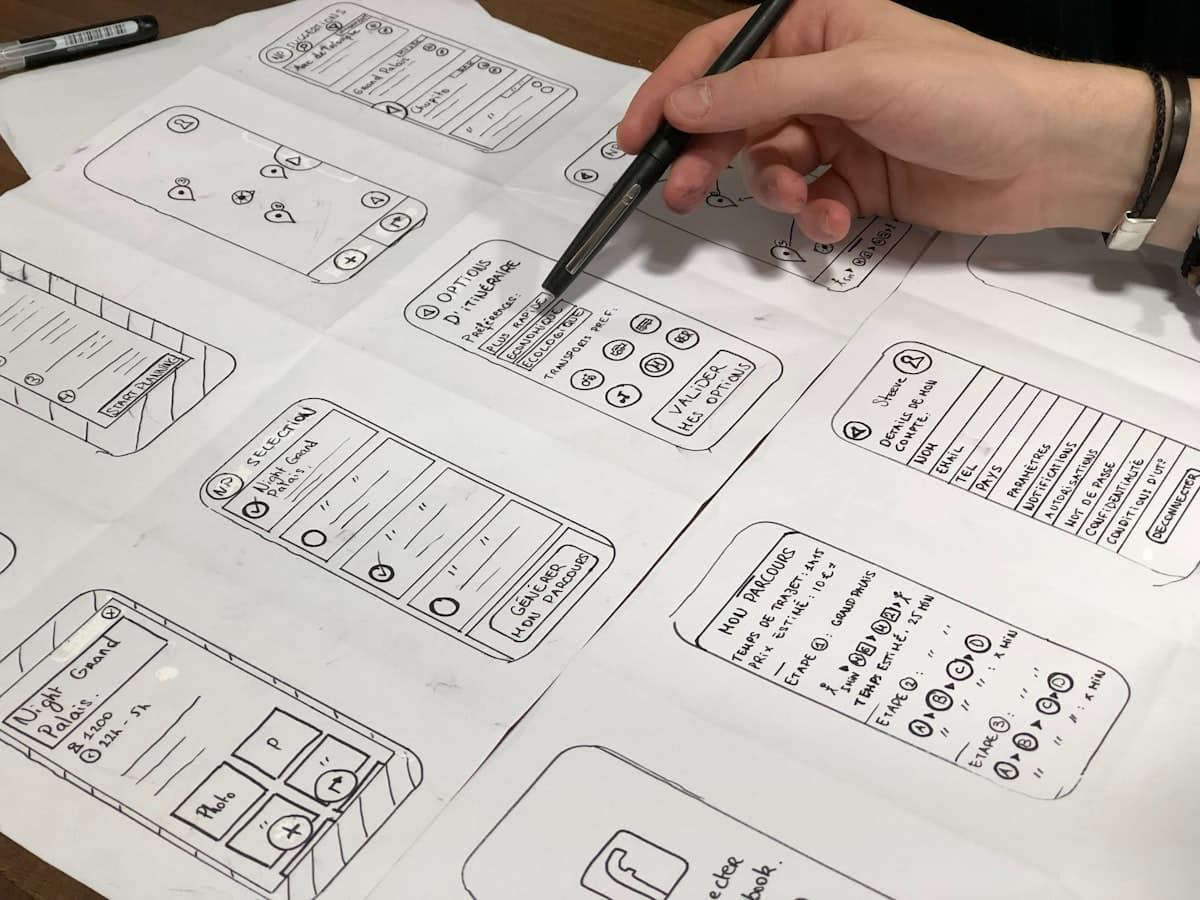
You're going to take a real screen that frustrates people (a confusing checkout, a cluttered app, a signup that makes you give up), work out what's actually going wrong for the person using it, and redesign it to fix THAT. The skill is judgment: deciding what 'better' means for a real person's problem, committing to a tradeoff (a faster checkout might mean fewer choices on screen), and explaining every change by how it helps, including the boring screens most designs skip: what people see while it's loading, when there's nothing there yet, and when something goes wrong. That's the side of design that lasts, the part about decisions and not just making things look nice. You'll have made a real screen genuinely better, and be able to say exactly why.