Build something real this weekend.
Every project ends in something you can show. Filter by what you want to make, or the career you want to try on.
Every project ends in something you can show. Filter by what you want to make, or the career you want to try on.
Showing 37 of 37 projects
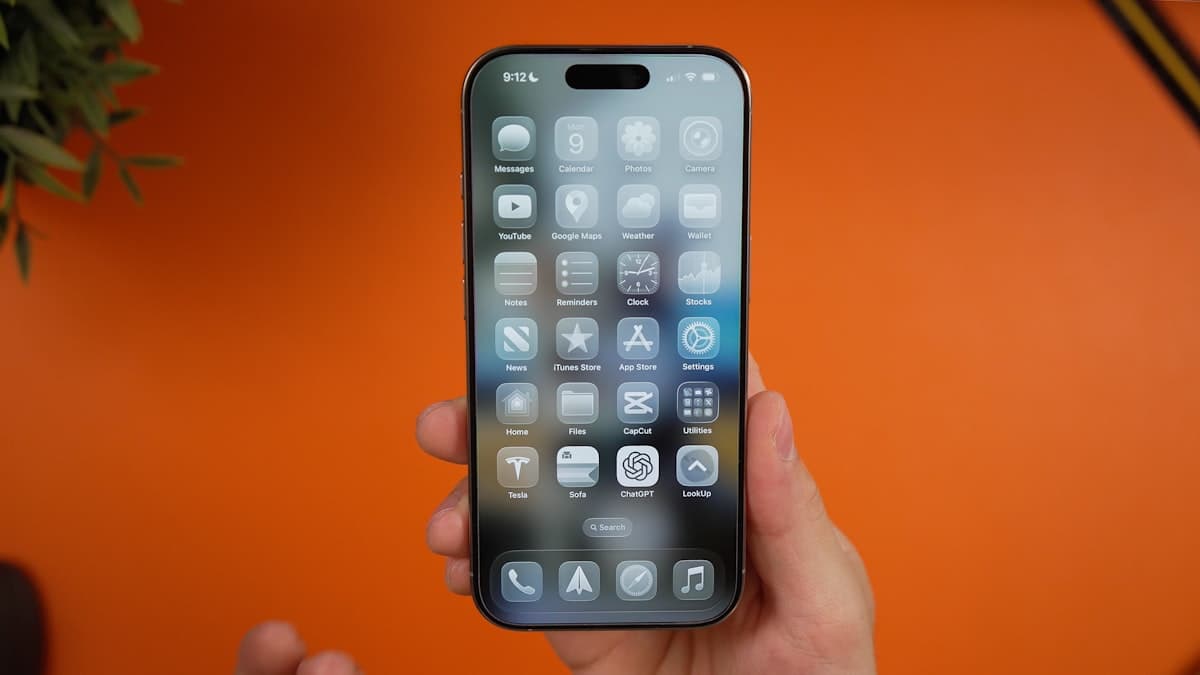
You're going to build an iOS Shortcut, a chain of steps your phone runs when you tap one button, that kills one annoying job you keep repeating, with AI doing the clever bit. Then a few friends actually install it and use it. The skill is the eye for what is worth handing to a machine: spotting a thing you do over and over and going 'I could make that disappear.' That's how automation engineers think, seeing a chain of steps where other people see a chore. You'll have a Shortcut friends keep on their phones.

You're going to design a Notion template, a page setup other people copy and fill in with their own stuff: a student planner, a college-essay tracker, a place to track internship applications. The skill is deciding what people fill in themselves, what has to stay the same for it to work, and what they can delete, then getting real people to use it. That's the part of design that lasts. You'll have something real people copy and build on.

You're going to build and run a 6 to 9 post Instagram series about one specific topic, with a look consistent enough that a stranger sees it as one set. The skill is staying consistent while still having something to say: keeping the same recognizable look across every post without getting repetitive, which builds trust faster than any single viral hit. That steady consistency, day after day, is what real creators actually run on. You'll end with a real series that has a look that's unmistakably yours.
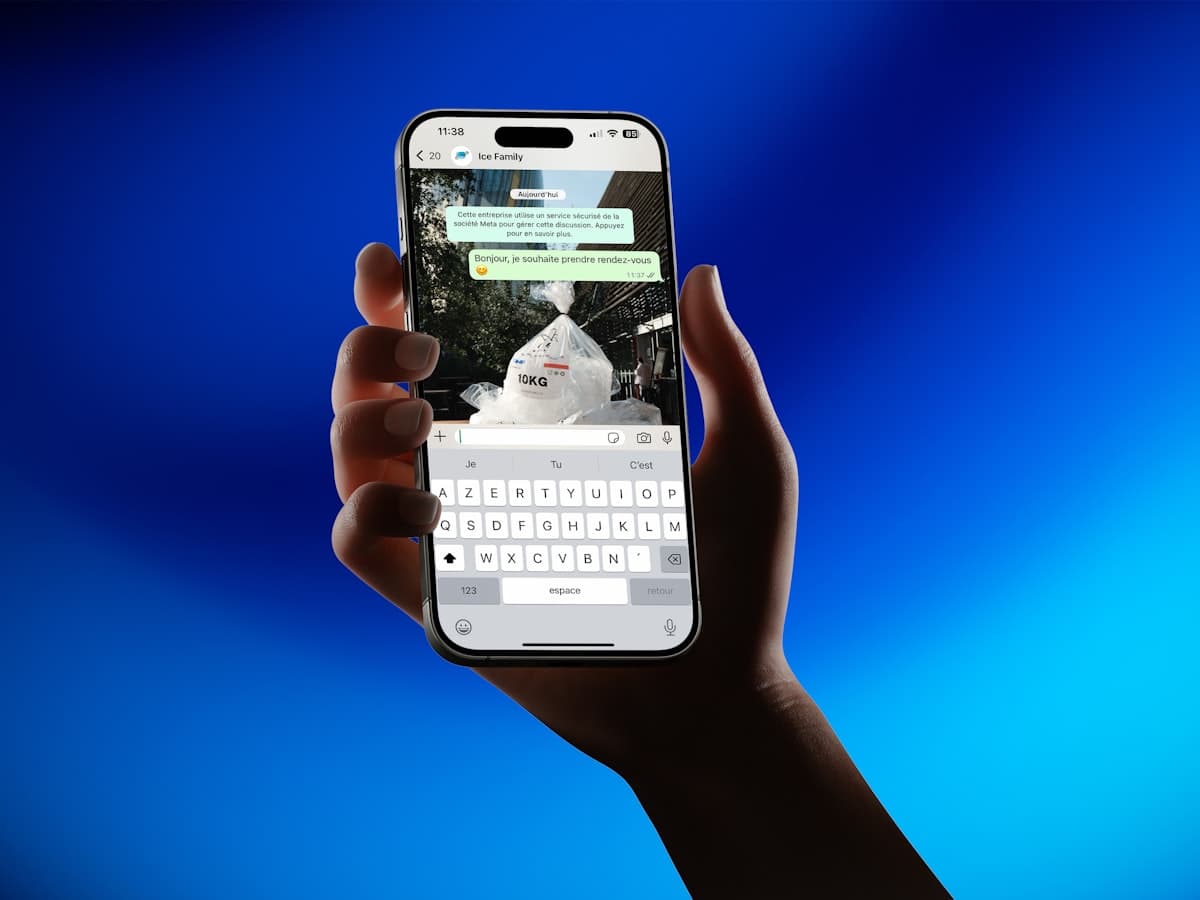
You're going to build a real AI assistant for one small job, write the instructions that make it nail that job every time, and get it into the hands of 10 real people who actually use it. The hard part is cutting the job small enough that the AI gets it right every time, not the tech. That is the core skill of building with AI, and this is the easiest way into a whole career. You'll have made something people actually keep using.

You're going to build a real web app, a small program that runs in a browser, for one thing you wish existed, and put it on the internet where people can use it. The hard part is picking the ONE job it does well and cutting the rest, then fixing what breaks when a real person tries it. That is what software engineers do: turn an idea into a working thing, and decide what not to build. You'll finish with a link you can send anyone.

You're going to make a 60 to 90 second film: write a one-page plan (filmmakers call it a treatment), make short video clips (short pieces of video, a few seconds each) with AI, then cut and arrange them together, throwing out everything that doesn't belong. This cutting-and-arranging part is called editing, and it's most of the work: keeping the film moving so a stranger doesn't get bored, deleting clips even when you love them, deciding what stays. That's the real skill of making films, the part that survives every tool change. You'll have a finished film up on YouTube.

You're going to record a 15 to 25 minute podcast and put it up on Spotify. Most of the work is cutting: you play back your own recording and delete the ums, the parts where you wander off, and the silences, until nothing is left that a stranger would skip. That last part is the real skill, and almost nobody does it.
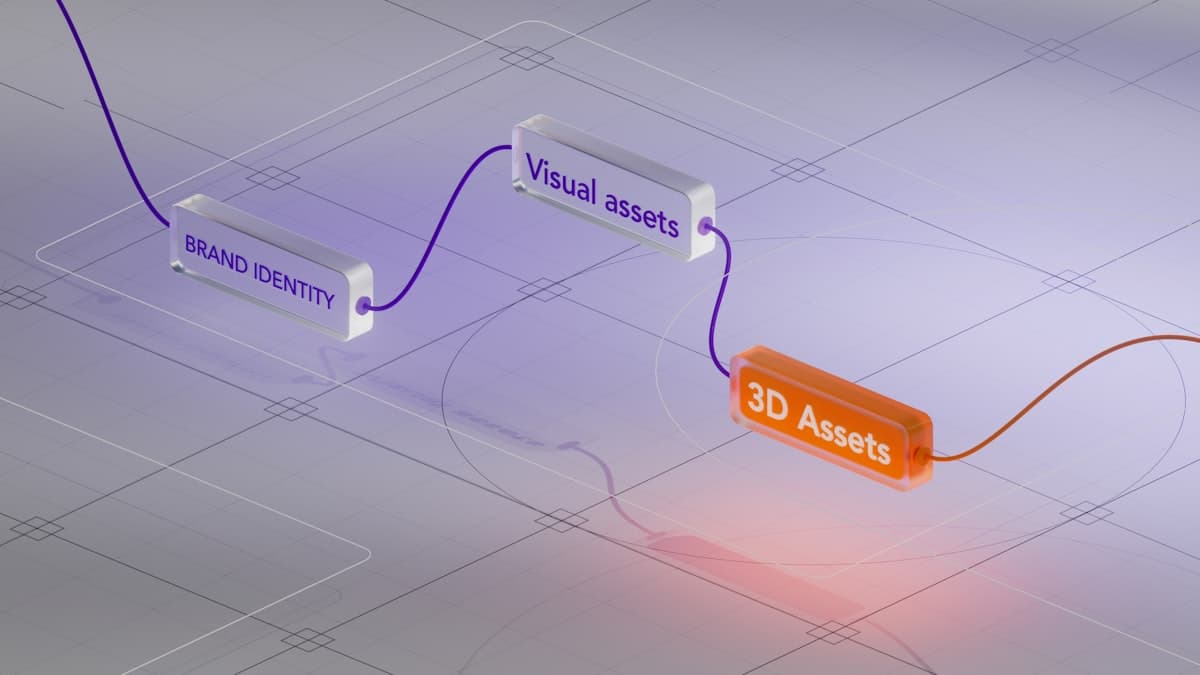
You're going to take a job with several steps that you do every week and build a chain of steps that runs it for you, on your own real stuff: a summary of your group chats, one post turned into five, a short note each morning about what's on your calendar. One of those steps hands the thinking to an AI, and the skill is joining the steps up so that one still holds when your own messy stuff hits it. AI application builders make things that run on their own, and this is a core piece of that. You'll have one running on your real life, every week, without you.
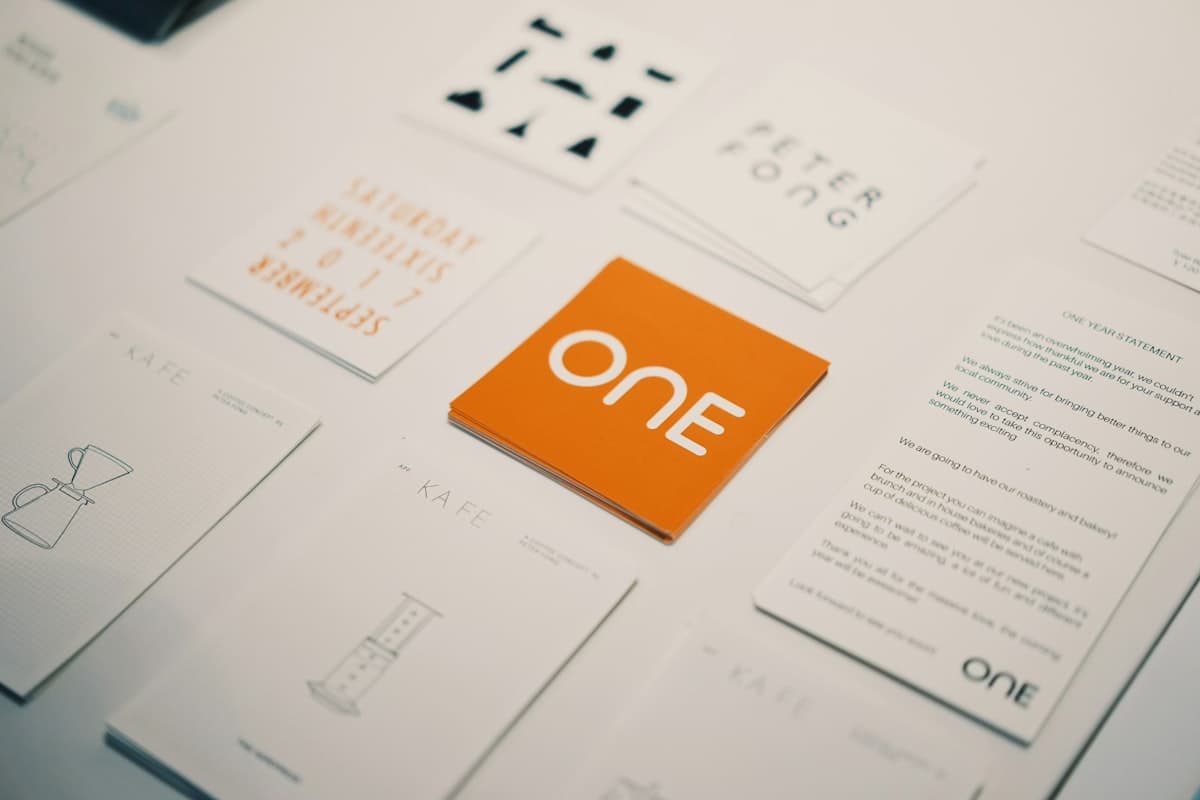
You're going to turn a one-page plan into a whole look for a business: a logo, a set of colors, fonts, and three pictures showing it used in real life. The skill is making it hold together: picking ONE look out of all the options and making everything match it, then saying why that one fits the plan. That's what brand designers actually do, decide what belongs and what doesn't. You'll have the whole look plus a document that shows it off.

You're going to take a real question you care about, find a big table of real numbers that can answer it (anyone can download these, free), and write down what you found (then put it where anyone can read it) with charts to back it up. The skill is the honest call: deciding what the numbers actually show versus what you were hoping to find, and not saying more than they prove. That's the real job. You'll have found something true in the numbers and made the case for it.

You're going to build a bot, a little program that sits in a Discord group chat and answers people, and it will do one useful thing: help your class study, swap units in a hobby chat, check the mood in your friend group. You'll get it replying fast, plug in an AI so it can understand questions, then decide what it should refuse to answer. The payoff is that it keeps running on its own and real people start counting on it. That is what software engineers actually make: something that works without anyone watching it.

You're going to make an original 2 to 3 minute song, design a cover picture for it (the image that goes with a song, like an album cover), and share it. The skill is choosing: making version after version and being able to say why one of them is the one and the others aren't. That's what a music producer does: deciding what a song actually needs. You'll have an original song and its cover picture out in the world for people to hear and see.

You're going to pick a topic you care about, work out what YOU think is true about it, dig up the proof, and publish a 1,500 word story that argues it. The skill is making a case you can defend, which means deleting anything you cannot back up. Anyone can repeat what's already out there. Having a point of your own, and proving it, is the job.

You're going to build an assistant that answers questions using only your own notes, links and documents, and that you can trust because every answer shows you the exact note it came from. The skill is checking: getting it to answer from one set of material, then going back to that material to see whether the answer is really in there instead of taking its word. That is one of the most wanted things AI application builders do, because every company wants an assistant that knows their own stuff and doesn't make things up. You'll have one that knows your world and shows its notes.
You're going to take a business idea, build a simple web page for it, show it to real people, and read what they actually do: is anyone really interested, or should you stop? The skill is reading that honestly, deciding to keep going or drop it without talking yourself into the answer you wanted. That's the thing that saves people months: finding out early whether anyone wants an idea before you pour months into building it. You'll know whether it's worth building, in a weekend, not six months.

You're going to build an AI helper that explains health information from trusted places like the CDC and NIH, and that knows when to say no: it never tells anyone what's wrong with them, never tells them what to do, and sends anything serious straight to a real doctor. The skill is deciding what a tool like this must never do, then proving it holds when someone asks the dangerous questions. As these get used for health, that's the rarest thing anyone building one can do.

You're going to write a real plan for one new thing you want a product to do: what it is, who it's for, and how you'd know it worked. Product managers call that a PRD. Then AI plays three people who tear into it: the person who builds it, the person who designs it, and the boss who pays for it. You decide which complaints to take and which to argue with, then rewrite. That's the actual job: deciding what to build and standing behind the call when smart people disagree.

Make a hundred AI images, then prove you can pick the twelve that belong together. You'll settle on one look and hold every image to it, so tightly that a stranger can tell at a glance they're all one set. Making images is easy now, and choosing the right twelve is the whole skill. That part is yours.

You're going to write and publish a short story (1,500 to 5,000 words, and a whole story under 1,000 counts too) or a set of 8 to 12 poems, every line of it yours. The skill is sounding like yourself: at the end you hand it to an AI editor, and every change it suggests, you say yes or no to. The no's are the point. Correct writing is usually writing that sounds like nobody.
You're going to build an AI helper that reads your incoming email, sorts it into groups, and writes draft replies for the ones that need them. The skill is designing the helper: deciding the groups, then drawing the line between what it handles on its own and what it has to hand back to you. That is the classic first AI helper anyone builds, and a core thing AI application builders make. You'll have one working on your real inbox.

You're going to find a real local business, work out the thing that actually annoys them every day, build them an AI tool for it, and get them to use it for two weeks. The skill is listening: building for what they actually needed, not the cool version in your head, and learning the difference when you watch them use it. That's what separates people who build things others pay for from people who build things nobody uses. A real business will have used what you built.
You are the analyst, and somebody else acts on what you write. Your job is to hand them a call on a real company whose shares anyone can buy, buy or hold or sell, that holds up when they push back with the single best argument that you are wrong. You'll build the case for it and the case against it straight out of the company's own annual report, the huge document the law makes every one of them publish. The skill is reading a company closely enough to have a view, then handing that view to somebody who has to defend it in a room. Bankers advising on a deal and analysts covering a company are doing the same thing: everything in finance sits on it.

You're going to build one tiny game around a single move the player makes, like a bare square that jumps over gaps, and then do the actual job of a game designer: tweak it until it feels good. The skill is feel: noticing why one jump is satisfying and another is mush, then changing how fast things fall, the timing, a little shake of the screen, a sound, until 'meh' becomes 'one more try.' That's the heart of game design, the judgment about what's fun. You'll have a tiny game that makes people go 'one more try.'
Write a short comic and let AI draw it: 4 to 6 pages where the story and the characters are yours and AI draws the boxes, which comics call panels. The fun, maddening part: keeping one character's face the same in every panel, and making the story actually work. AI can draw all day, but it can't make a character feel like a person or a story end well. That's on you, and it's the part worth doing.
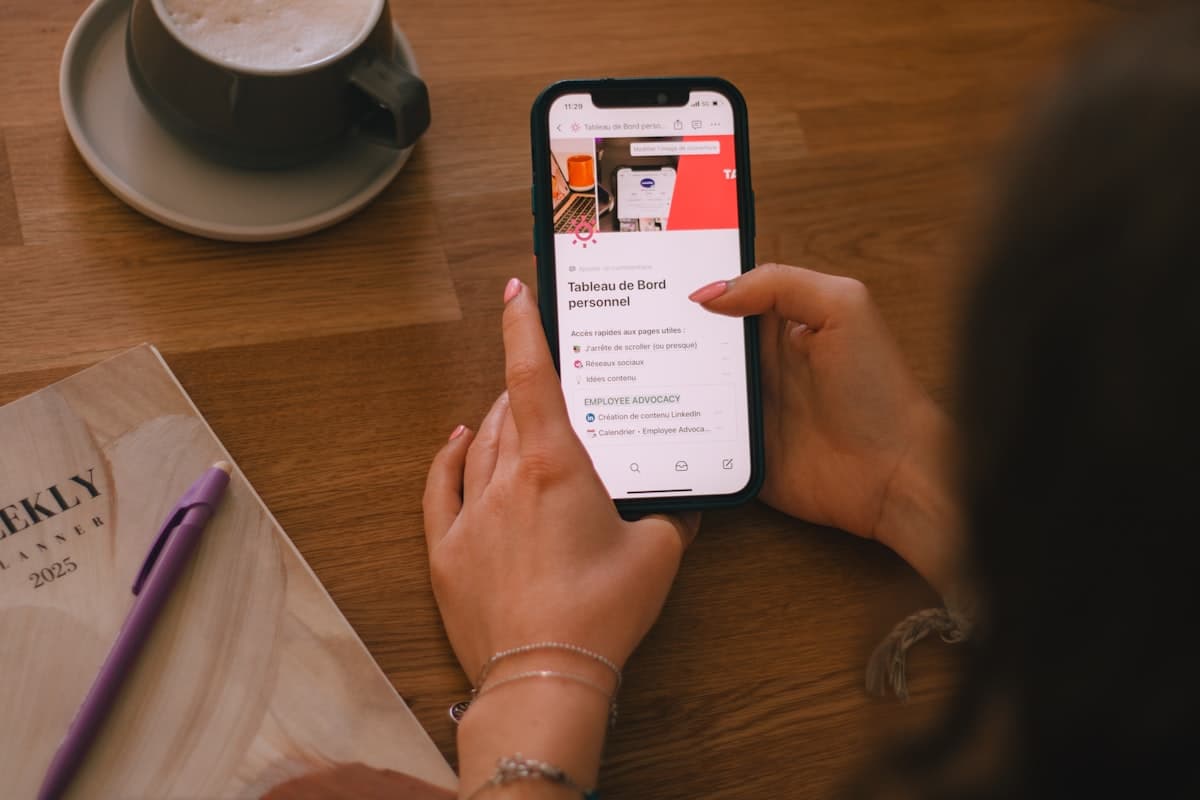
You're going to start a newsletter (emails you write and send out) about one small subject you care about, get the first one out fast, and keep going until three have gone out to real people. The skill is turning up on time: writing something people recognize as yours, and sending it every week even when nobody has clapped yet. Three in a row is where almost everyone quits.

You're going to build a setup where you talk, an AI turns what you said into the right tidy thing (a task in your list, a note in your notes, a clean summary of a meeting), and it lands where you actually work. The skill is getting the AI to catch what you MEANT, not just the words you said, and tuning it when it reads you wrong. That's a growing slice of what AI application builders do. You'll have a setup you actually reach for.

Ever gotten an email that felt off? Catching that feeling and proving it is the actual day job for a huge slice of cybersecurity. You'll work through a batch of suspicious emails the way a brand-new security analyst does on day one: pull apart the hidden information attached to every email, check the links and senders against sites that track known scams (without ever clicking them), and make the call: is this a real attack, something dodgy worth passing up to someone senior, or a harmless false alarm? You'll walk away with a reusable "is this a scam?" checklist and a written investigation, the exact kind of thing that gets a beginner noticed. One honest heads-up: this is the defending side, catching attacks, not the movie-hacker stuff of breaking in. That's not the boring version. It's where most real cyber jobs actually are.
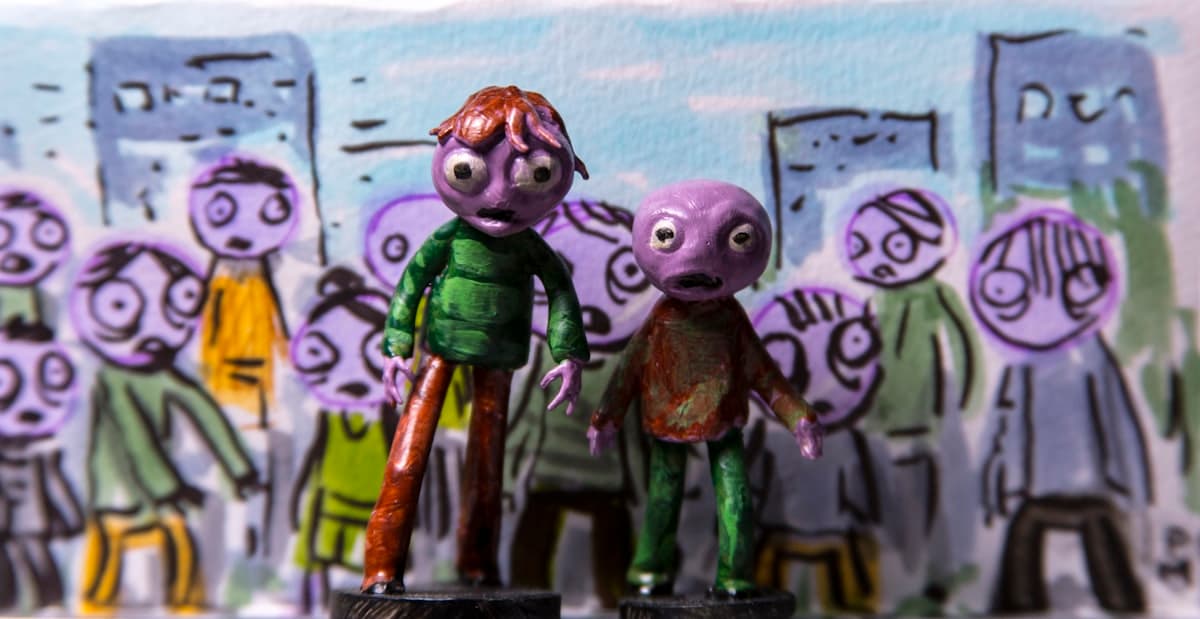
You're going to make a 15 to 30 second animation: something that loops (it plays over and over with no visible break), a tiny story, or one thing turning into another. Working in seconds forces something hard: every second has to carry something (story, movement, or meaning) or it gets cut. That's the same decision real animators make about what to keep and what to throw out. You'll end with a finished animation posted wherever you want it.

You're going to work a realistic but completely made-up patient case from start to finish: ask an AI playing the patient questions, list what you think it could be in order, pick the one test that would change your mind, and say what you'd do right now. The skill is deciding when you can't be sure: what's most likely, what would change your mind, and what happens next. That's what a doctor's mind actually does, and you'll have reasoned one case all the way to a decision.
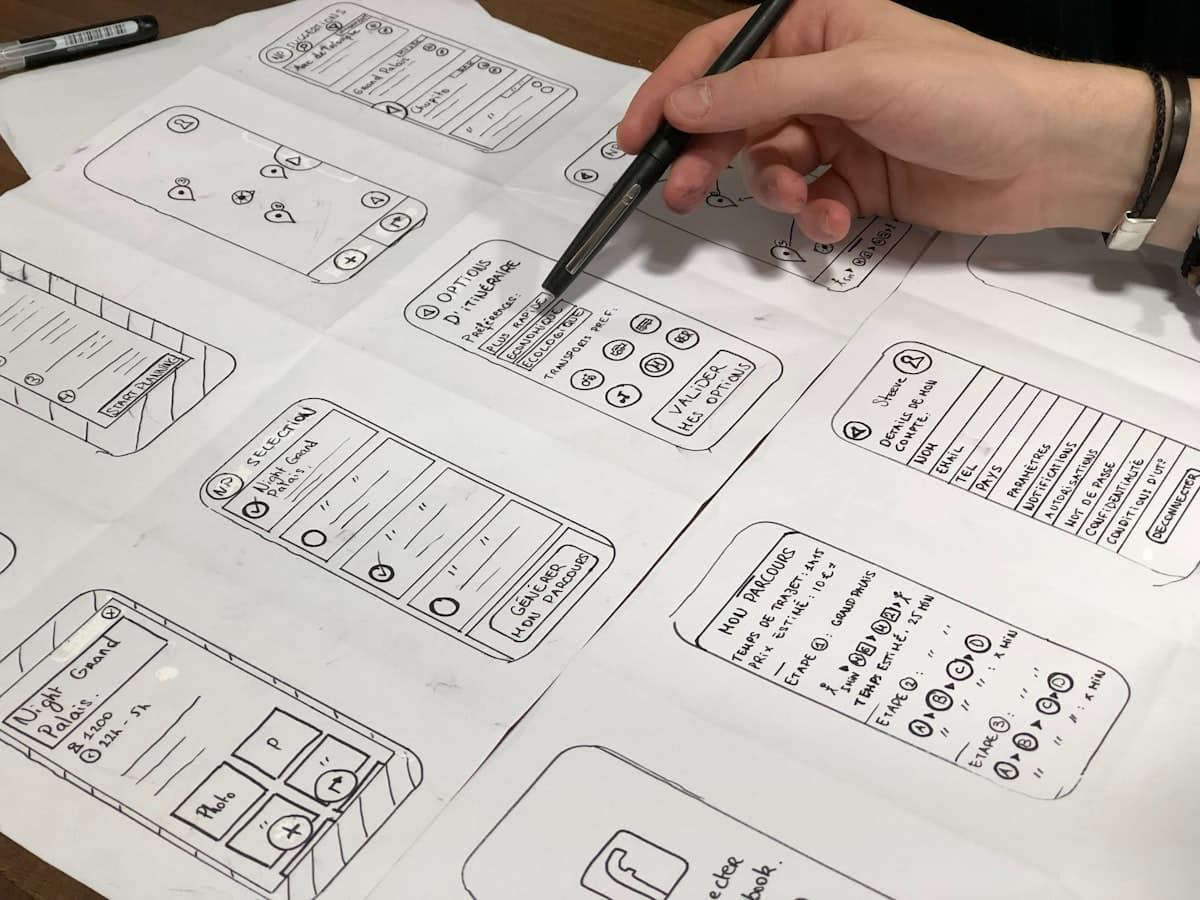
You're going to take a real screen that frustrates people (a confusing checkout, a cluttered app, a signup that makes you give up), work out what's actually going wrong for the person using it, and redesign it to fix THAT. The skill is judgment: deciding what 'better' means for a real person's problem, committing to a tradeoff (a faster checkout might mean fewer choices on screen), and explaining every change by how it helps, including the boring screens most designs skip: what people see while it's loading, when there's nothing there yet, and when something goes wrong. That's the side of design that lasts, the part about decisions and not just making things look nice. You'll have made a real screen genuinely better, and be able to say exactly why.

You're going to write a short plan for a photo series (photographers call it a brief), take the photos on your phone, then do the part photographers say they're really paid for: cut the perfectly-fine photos that don't fit the brief and put the good ones in an order that tells a story. The real skill is the picking: deciding which photos, in which order, carry the idea, so a stranger can see the intent at a glance. That's what separates a photographer from someone who takes nice photos. You'll have turned a pile of photos into something that reads as one idea.

You're going to build a Chrome extension, an add-on that changes how a website looks or works in your browser, and fix something on the web that annoys you every day: a list of posts full of junk, comment chains that never end, a site that hides what you need. Try it on the real sites you use, then cut it to the one thing worth keeping and make that solid. Taking things away is the skill here. That's real software engineering, code that runs in other people's browsers doing one job well. You'll have an add-on real people install and use every day.

You're going to pick a real question with a real answer (how much your school spends on sports versus art, why a local landmark closed, what your city actually does with recycling) and answer it with the real paperwork, not opinion. The skill is working from proof: seeing what the paperwork actually shows versus what you assumed before you looked, and only saying what you can back up. That's the whole job. You'll end up with a real answer nobody handed you.

You're going to start a tiny business and make one real sale: pick something to sell, put it up for sale online today, tell people, and get a stranger to actually pay you. The skill is just doing it: getting something real up fast and then doing the boring work of asking people to buy, instead of planning forever. That's the hardest habit to teach anyone starting a business. You'll have done it: a real page, a real launch, a stranger's money.

Pick a real fight in your town: the crossing everyone complains about, why there are no late buses, a new law people keep arguing over. You'll research it properly (the actual rule, real sources, the strongest argument against you) and turn what you find into a case for one specific change. Then you send it to a local official who can act on it. The skill is building an opinion that the evidence actually supports, instead of just having one, which is the heart of law and policy work.

You're going to build a web tool that does exactly one thing, give it a one-page site that says what it does, and get one real person to actually use it. The skill is building for a real person: watching someone use your thing, then deleting everything that wasn't what they needed. That's how founders think, finding someone with a problem and making them the exact thing that fixes it. You'll have proof that someone actually wants what you made.
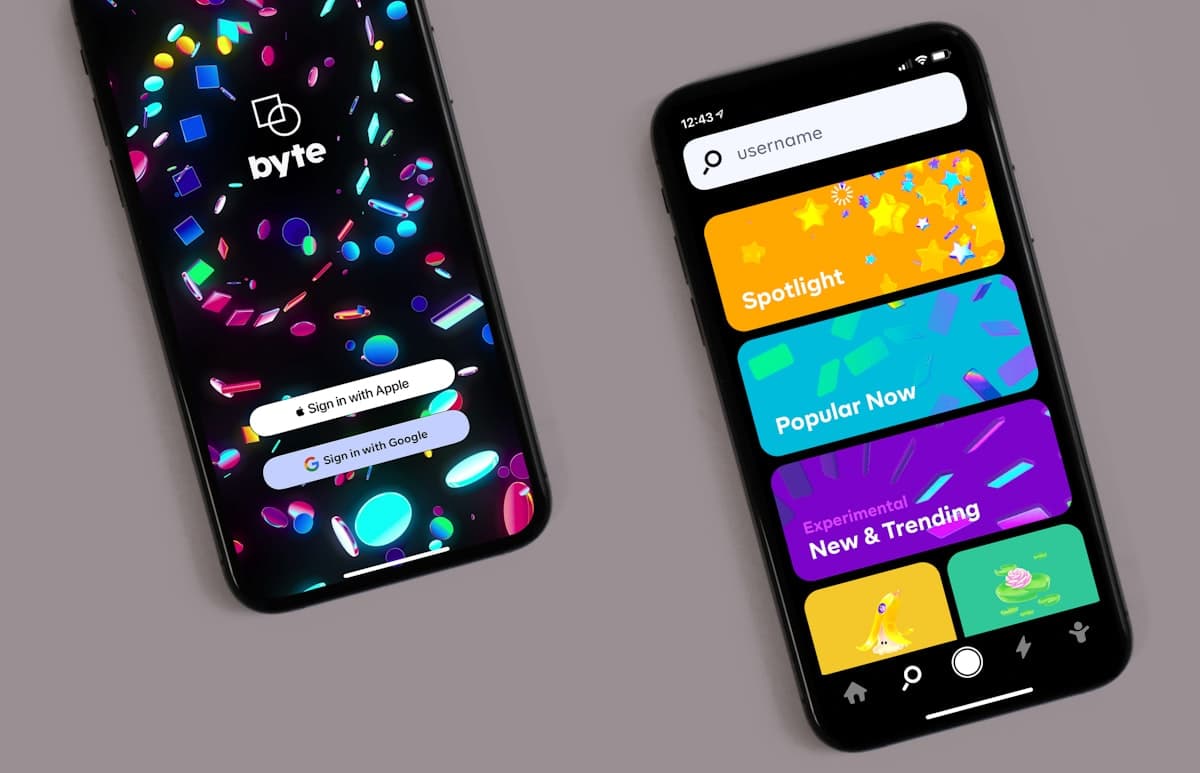
You're going to build an AI app that does a real job for a real person, then make it get things right often enough that they can actually depend on it. The skill is toughening it up: finding where the AI breaks, deciding how right is right enough for your person, and fixing the worst breaks. That's what AI engineers actually spend their time on, and it's becoming a real career. You'll have an app someone can actually depend on.