Build something real this weekend.
Every project ends in something you can show. Filter by what you want to make, or the career you want to try on.
Every project ends in something you can show. Filter by what you want to make, or the career you want to try on.
Showing 6 of 37 projects ·
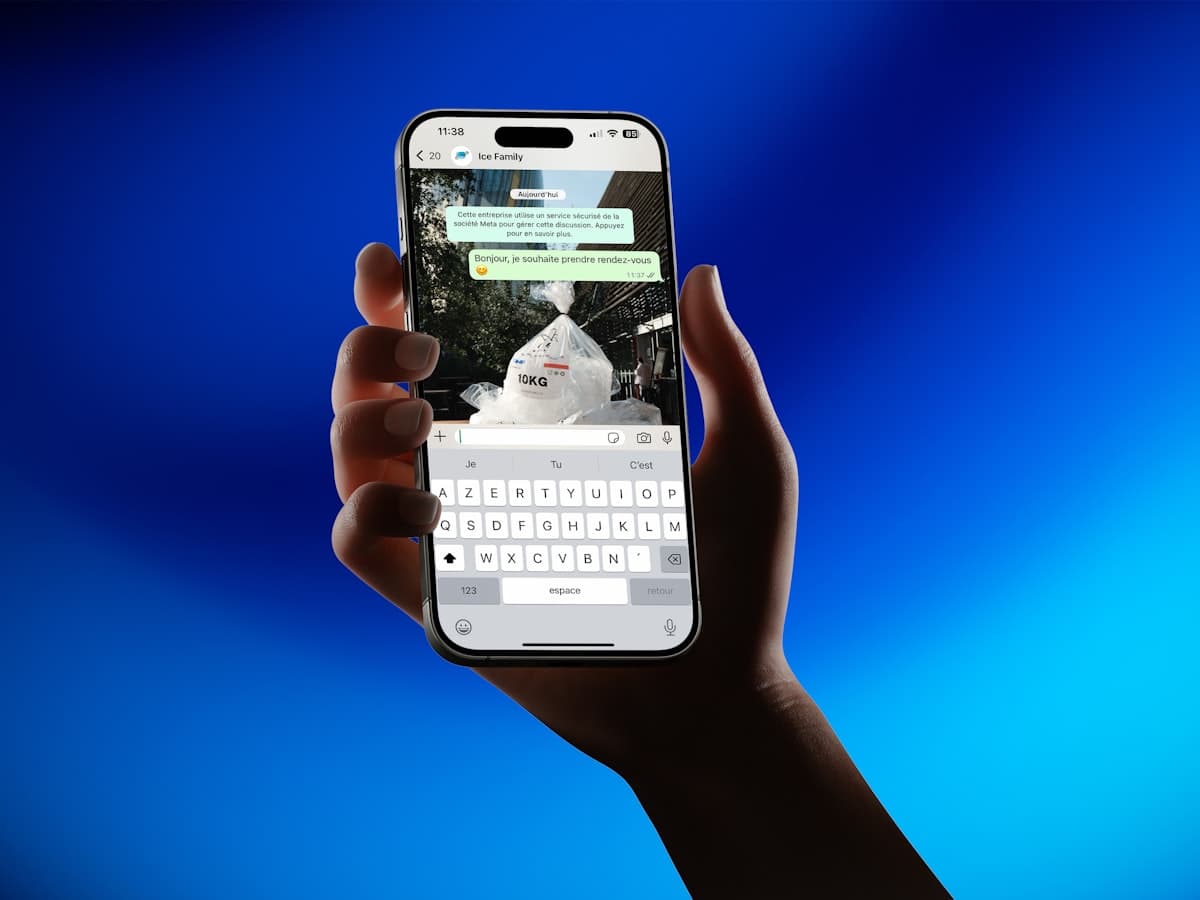
You're going to build a real AI assistant for one small job, write the instructions that make it nail that job every time, and get it into the hands of 10 real people who actually use it. The hard part is cutting the job small enough that the AI gets it right every time, not the tech. That is the core skill of building with AI, and this is the easiest way into a whole career. You'll have made something people actually keep using.

You're going to build a real web app, a small program that runs in a browser, for one thing you wish existed, and put it on the internet where people can use it. The hard part is picking the ONE job it does well and cutting the rest, then fixing what breaks when a real person tries it. That is what software engineers do: turn an idea into a working thing, and decide what not to build. You'll finish with a link you can send anyone.
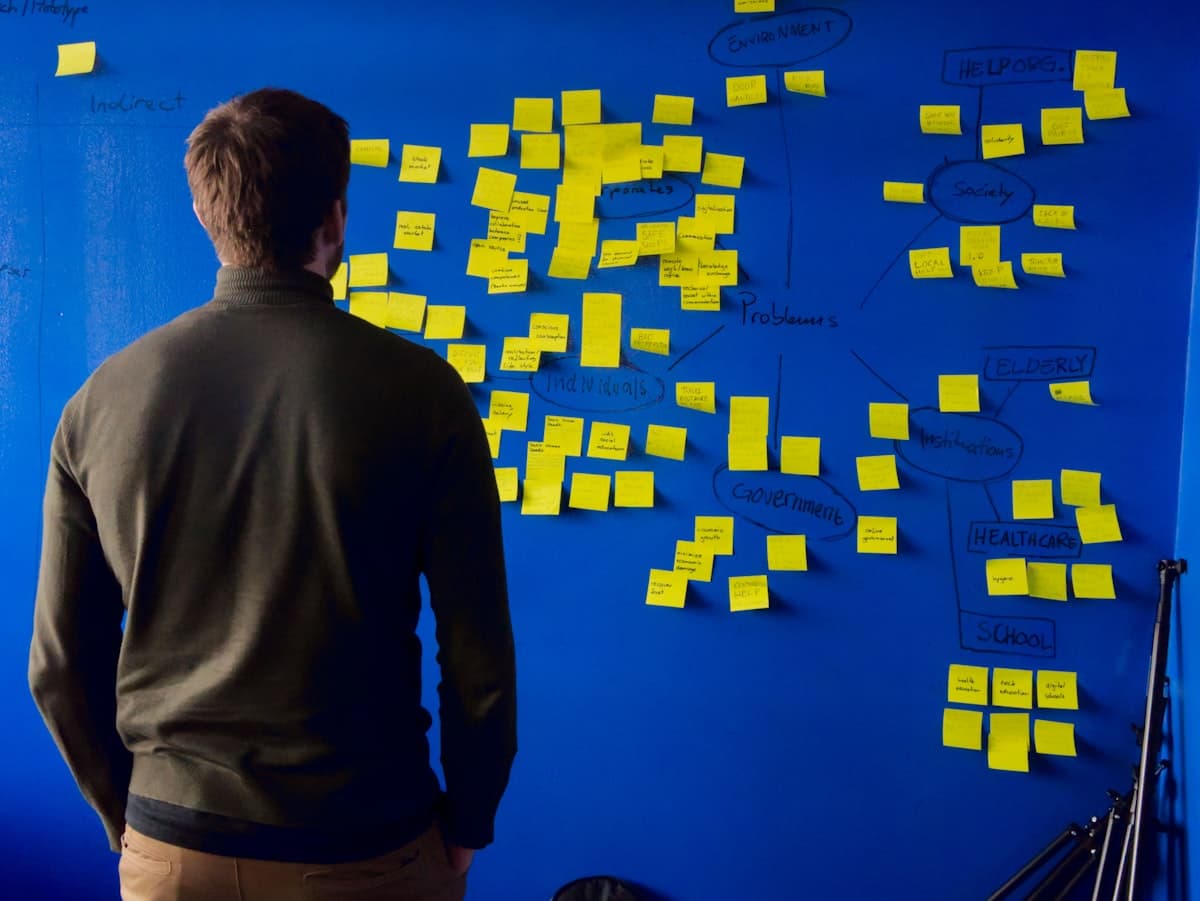
You're going to take a business idea, build a simple web page for it, show it to real people, and read what they actually do: is anyone really interested, or should you stop? The skill is reading that honestly, deciding to keep going or drop it without talking yourself into the answer you wanted. That's the thing that saves people months: finding out early whether anyone wants an idea before you pour months into building it. You'll know whether it's worth building, in a weekend, not six months.
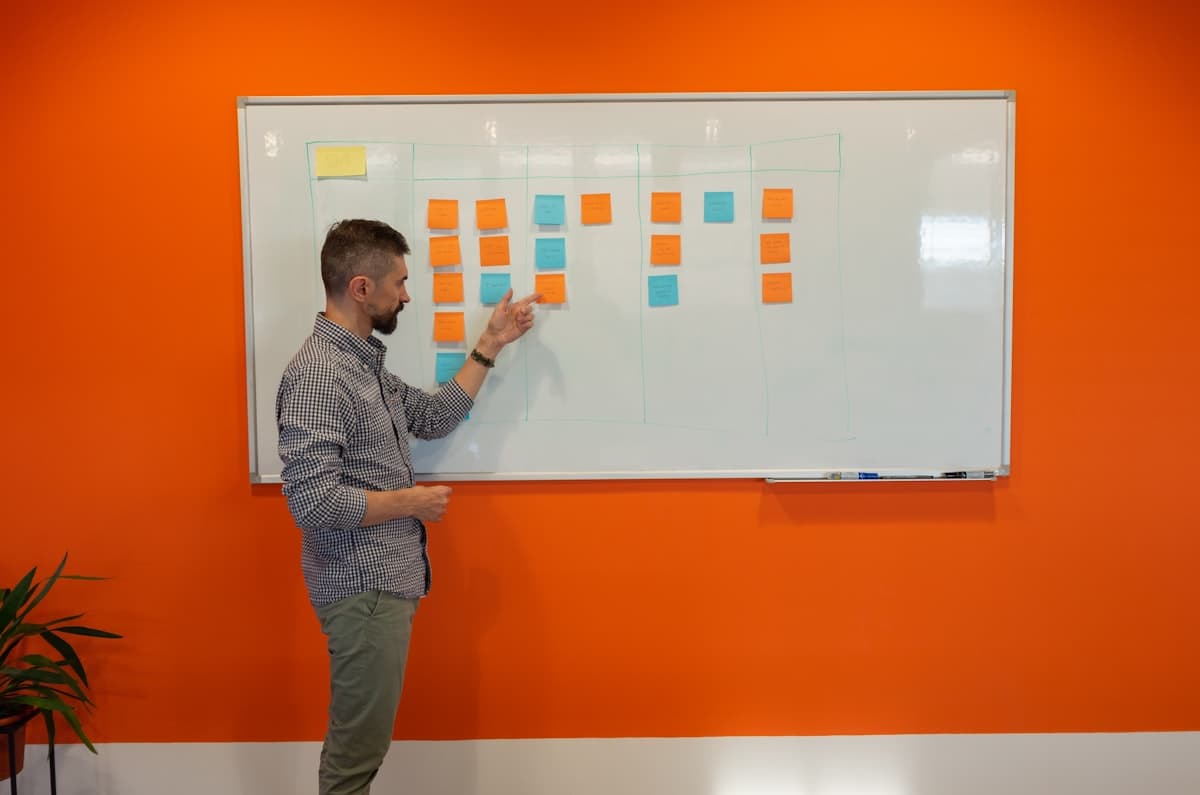
You're going to write a real plan for one new thing you want a product to do: what it is, who it's for, and how you'd know it worked. Product managers call that a PRD. Then AI plays three people who tear into it: the person who builds it, the person who designs it, and the boss who pays for it. You decide which complaints to take and which to argue with, then rewrite. That's the actual job: deciding what to build and standing behind the call when smart people disagree.

You're going to build a web tool that does exactly one thing, give it a one-page site that says what it does, and get one real person to actually use it. The skill is building for a real person: watching someone use your thing, then deleting everything that wasn't what they needed. That's how founders think, finding someone with a problem and making them the exact thing that fixes it. You'll have proof that someone actually wants what you made.
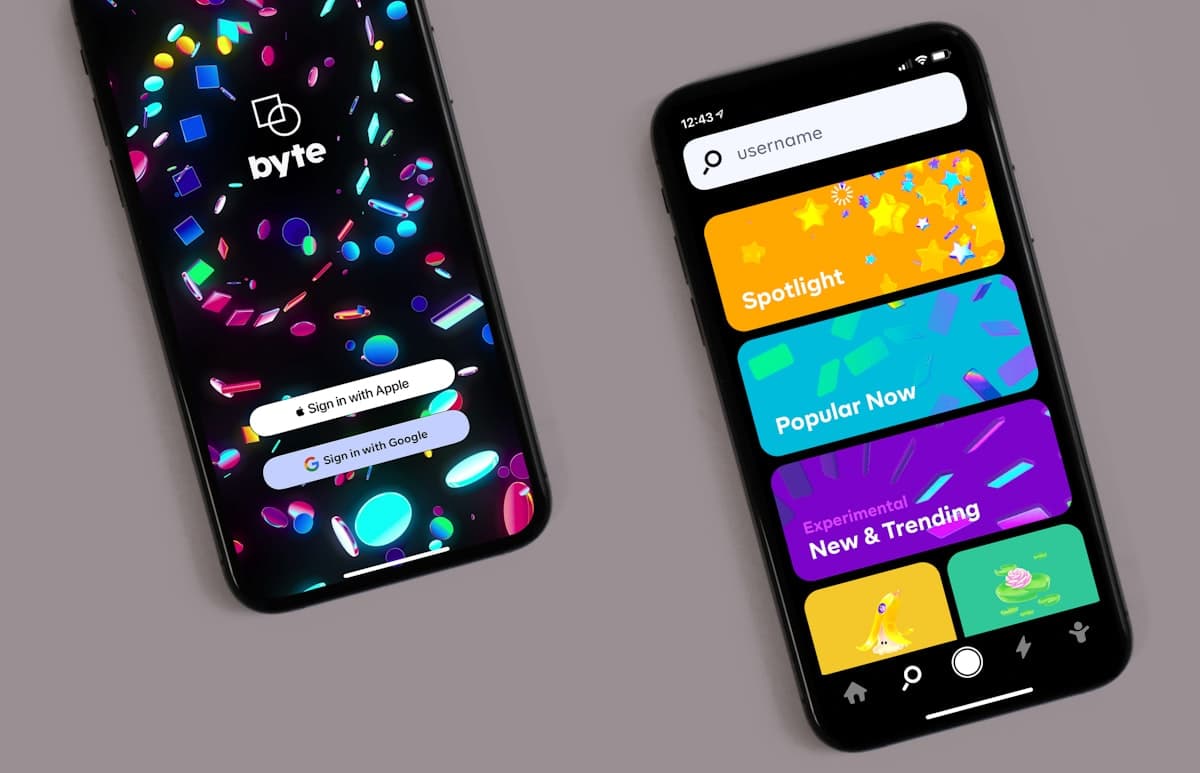
You're going to build an AI app that does a real job for a real person, then make it get things right often enough that they can actually depend on it. The skill is toughening it up: finding where the AI breaks, deciding how right is right enough for your person, and fixing the worst breaks. That's what AI engineers actually spend their time on, and it's becoming a real career. You'll have an app someone can actually depend on.