Build something real this weekend.
Every project ends in something you can show. Filter by what you want to make, or the career you want to try on.
Every project ends in something you can show. Filter by what you want to make, or the career you want to try on.
Showing 4 of 37 projects ·
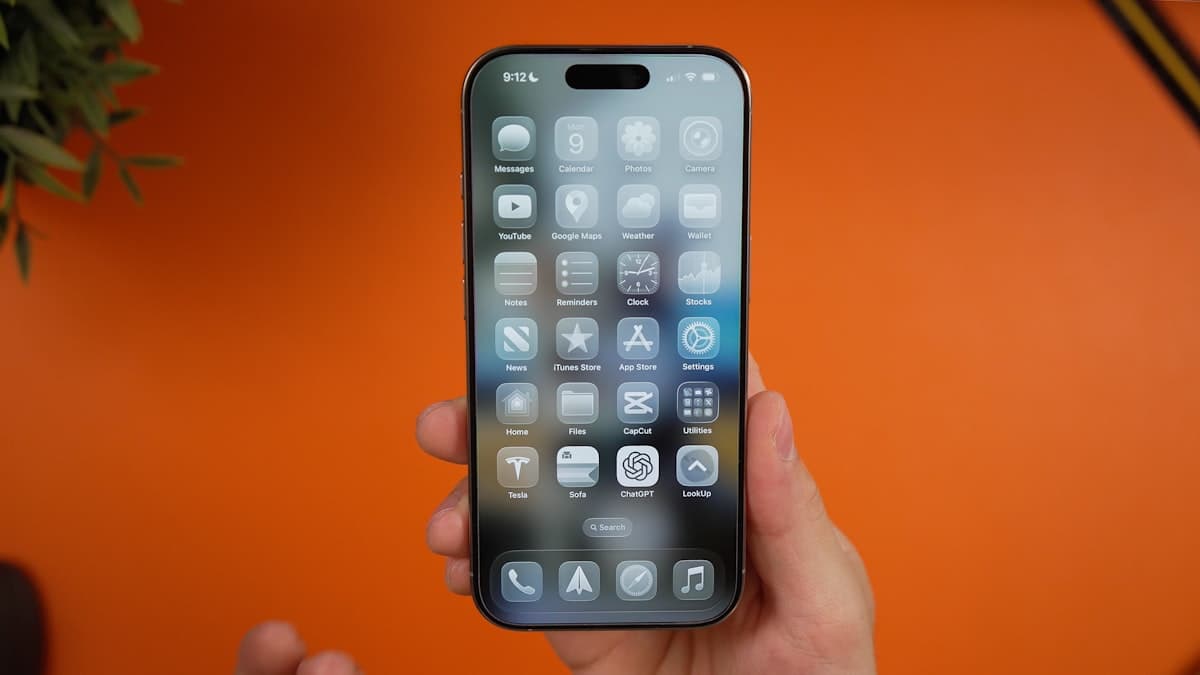
You're going to build an iOS Shortcut, a chain of steps your phone runs when you tap one button, that kills one annoying job you keep repeating, with AI doing the clever bit. Then a few friends actually install it and use it. The skill is the eye for what is worth handing to a machine: spotting a thing you do over and over and going 'I could make that disappear.' That's how automation engineers think, seeing a chain of steps where other people see a chore. You'll have a Shortcut friends keep on their phones.
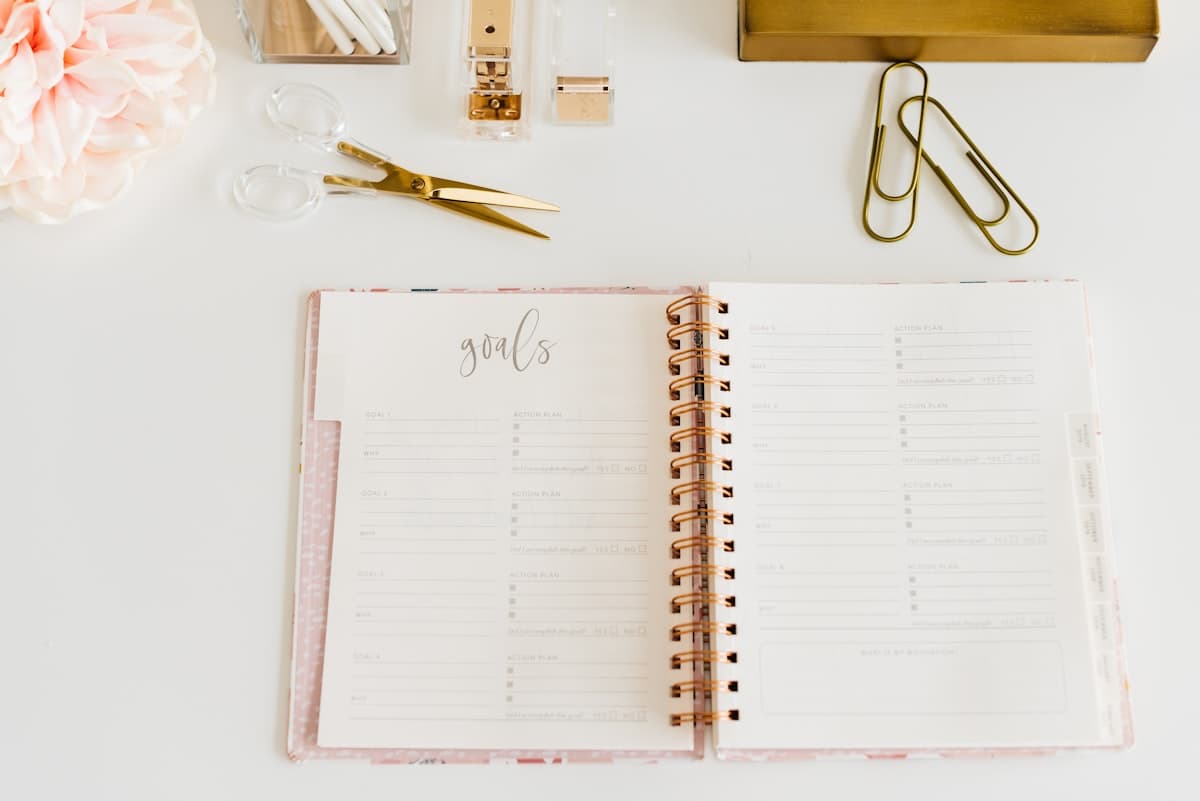
You're going to design a Notion template, a page setup other people copy and fill in with their own stuff: a student planner, a college-essay tracker, a place to track internship applications. The skill is deciding what people fill in themselves, what has to stay the same for it to work, and what they can delete, then getting real people to use it. That's the part of design that lasts. You'll have something real people copy and build on.

You're going to build an assistant that answers questions using only your own notes, links and documents, and that you can trust because every answer shows you the exact note it came from. The skill is checking: getting it to answer from one set of material, then going back to that material to see whether the answer is really in there instead of taking its word. That is one of the most wanted things AI application builders do, because every company wants an assistant that knows their own stuff and doesn't make things up. You'll have one that knows your world and shows its notes.
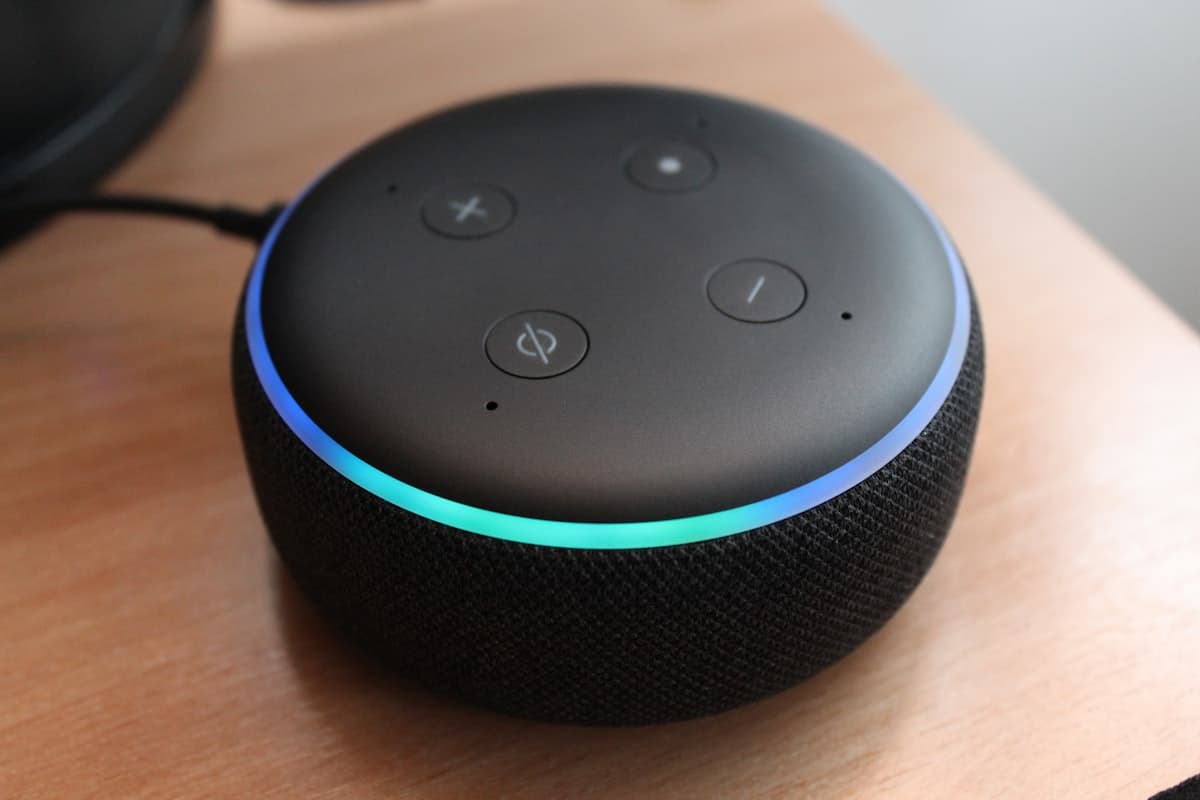
You're going to build a setup where you talk, an AI turns what you said into the right tidy thing (a task in your list, a note in your notes, a clean summary of a meeting), and it lands where you actually work. The skill is getting the AI to catch what you MEANT, not just the words you said, and tuning it when it reads you wrong. That's a growing slice of what AI application builders do. You'll have a setup you actually reach for.