Build something real this weekend.
Every project ends in something you can show. Filter by what you want to make, or the career you want to try on.
Every project ends in something you can show. Filter by what you want to make, or the career you want to try on.
Showing 11 of 37 projects ·

You're going to build a real AI assistant for one small job, write the instructions that make it nail that job every time, and get it into the hands of 10 real people who actually use it. The hard part is cutting the job small enough that the AI gets it right every time, not the tech. That is the core skill of building with AI, and this is the easiest way into a whole career. You'll have made something people actually keep using.

You're going to build a real web app, a small program that runs in a browser, for one thing you wish existed, and put it on the internet where people can use it. The hard part is picking the ONE job it does well and cutting the rest, then fixing what breaks when a real person tries it. That is what software engineers do: turn an idea into a working thing, and decide what not to build. You'll finish with a link you can send anyone.
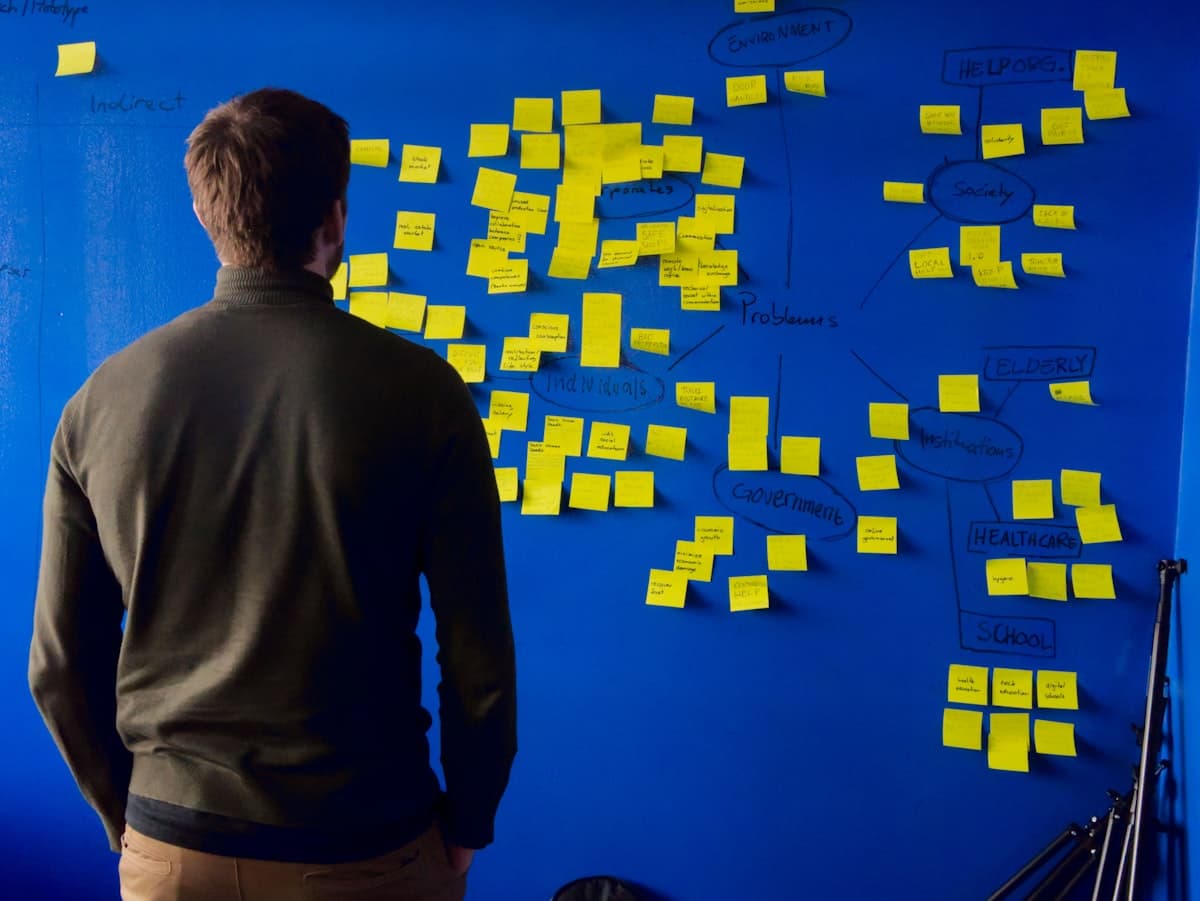
You're going to take a business idea, build a simple web page for it, show it to real people, and read what they actually do: is anyone really interested, or should you stop? The skill is reading that honestly, deciding to keep going or drop it without talking yourself into the answer you wanted. That's the thing that saves people months: finding out early whether anyone wants an idea before you pour months into building it. You'll know whether it's worth building, in a weekend, not six months.
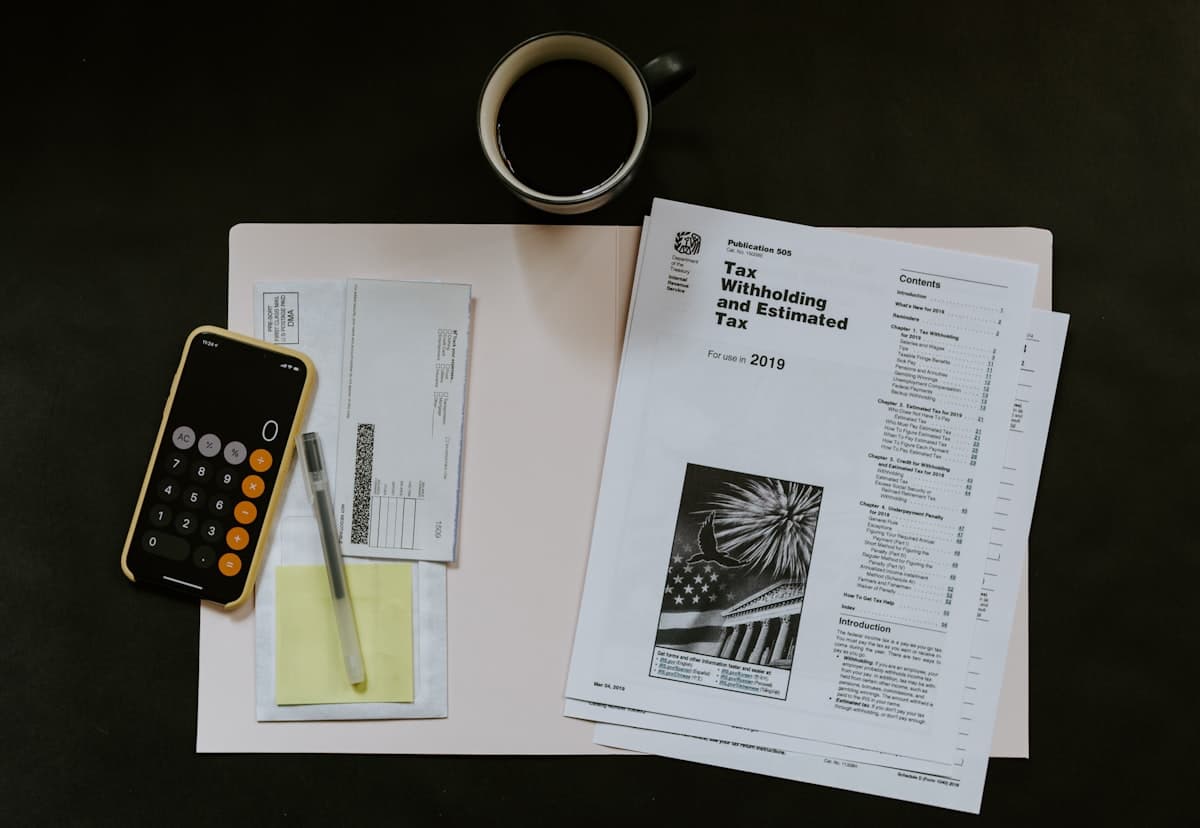
You are the analyst, and somebody else acts on what you write. Your job is to hand them a call on a real company whose shares anyone can buy, buy or hold or sell, that holds up when they push back with the single best argument that you are wrong. You'll build the case for it and the case against it straight out of the company's own annual report, the huge document the law makes every one of them publish. The skill is reading a company closely enough to have a view, then handing that view to somebody who has to defend it in a room. Bankers advising on a deal and analysts covering a company are doing the same thing: everything in finance sits on it.

You're going to build a bot, a little program that sits in a Discord group chat and answers people, and it will do one useful thing: help your class study, swap units in a hobby chat, check the mood in your friend group. You'll get it replying fast, plug in an AI so it can understand questions, then decide what it should refuse to answer. The payoff is that it keeps running on its own and real people start counting on it. That is what software engineers actually make: something that works without anyone watching it.

You're going to find a real local business, work out the thing that actually annoys them every day, build them an AI tool for it, and get them to use it for two weeks. The skill is listening: building for what they actually needed, not the cool version in your head, and learning the difference when you watch them use it. That's what separates people who build things others pay for from people who build things nobody uses. A real business will have used what you built.

You're going to write a real plan for one new thing you want a product to do: what it is, who it's for, and how you'd know it worked. Product managers call that a PRD. Then AI plays three people who tear into it: the person who builds it, the person who designs it, and the boss who pays for it. You decide which complaints to take and which to argue with, then rewrite. That's the actual job: deciding what to build and standing behind the call when smart people disagree.

You're going to build a Chrome extension, an add-on that changes how a website looks or works in your browser, and fix something on the web that annoys you every day: a list of posts full of junk, comment chains that never end, a site that hides what you need. Try it on the real sites you use, then cut it to the one thing worth keeping and make that solid. Taking things away is the skill here. That's real software engineering, code that runs in other people's browsers doing one job well. You'll have an add-on real people install and use every day.

You're going to start a tiny business and make one real sale: pick something to sell, put it up for sale online today, tell people, and get a stranger to actually pay you. The skill is just doing it: getting something real up fast and then doing the boring work of asking people to buy, instead of planning forever. That's the hardest habit to teach anyone starting a business. You'll have done it: a real page, a real launch, a stranger's money.

You're going to build a web tool that does exactly one thing, give it a one-page site that says what it does, and get one real person to actually use it. The skill is building for a real person: watching someone use your thing, then deleting everything that wasn't what they needed. That's how founders think, finding someone with a problem and making them the exact thing that fixes it. You'll have proof that someone actually wants what you made.
You're going to build an AI app that does a real job for a real person, then make it get things right often enough that they can actually depend on it. The skill is toughening it up: finding where the AI breaks, deciding how right is right enough for your person, and fixing the worst breaks. That's what AI engineers actually spend their time on, and it's becoming a real career. You'll have an app someone can actually depend on.