Build something real this weekend.
Every project ends in something you can show. Filter by what you want to make, or the career you want to try on.
Every project ends in something you can show. Filter by what you want to make, or the career you want to try on.
Showing 5 of 37 projects ·
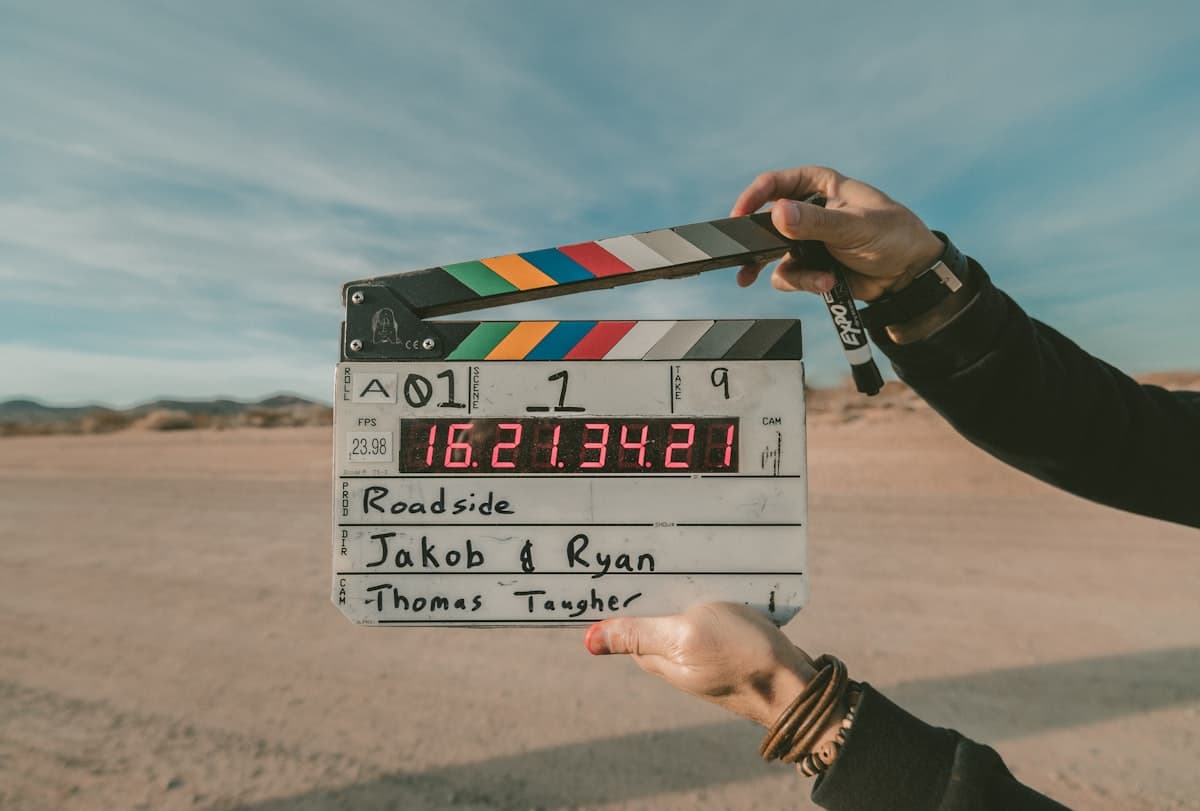
You're going to make a 60 to 90 second film: write a one-page plan (filmmakers call it a treatment), make short video clips (short pieces of video, a few seconds each) with AI, then cut and arrange them together, throwing out everything that doesn't belong. This cutting-and-arranging part is called editing, and it's most of the work: keeping the film moving so a stranger doesn't get bored, deleting clips even when you love them, deciding what stays. That's the real skill of making films, the part that survives every tool change. You'll have a finished film up on YouTube.
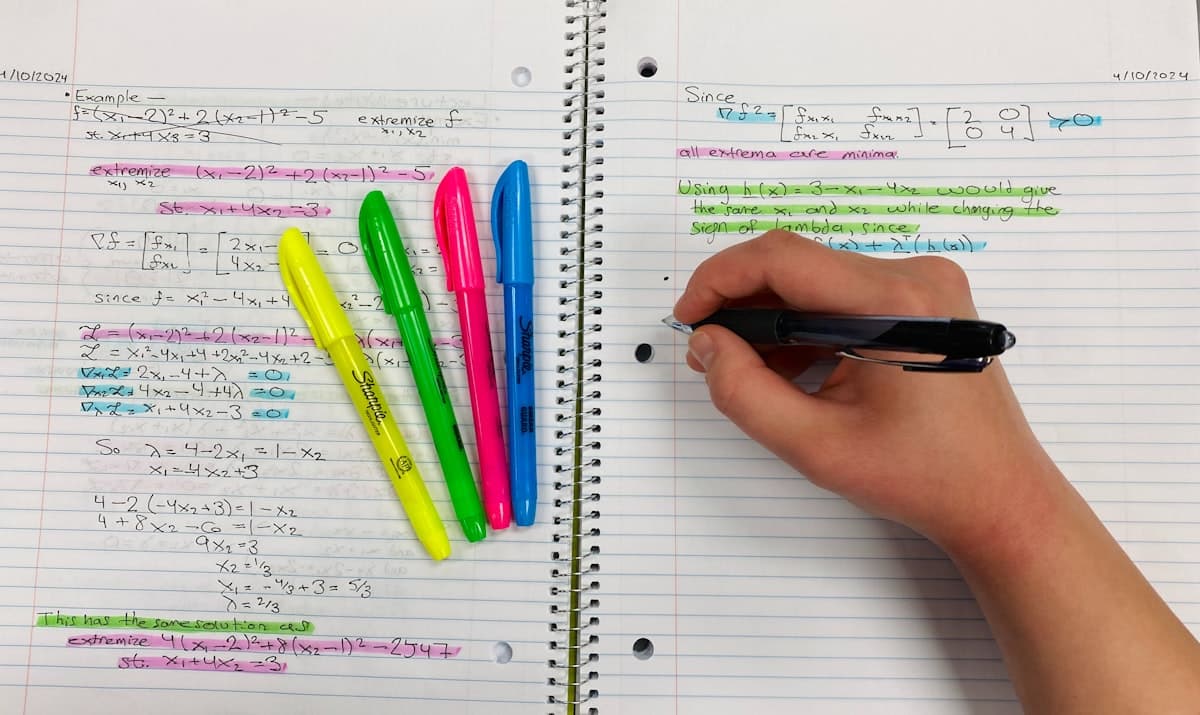
You're going to pick a topic you care about, work out what YOU think is true about it, dig up the proof, and publish a 1,500 word story that argues it. The skill is making a case you can defend, which means deleting anything you cannot back up. Anyone can repeat what's already out there. Having a point of your own, and proving it, is the job.

You're going to write and publish a short story (1,500 to 5,000 words, and a whole story under 1,000 counts too) or a set of 8 to 12 poems, every line of it yours. The skill is sounding like yourself: at the end you hand it to an AI editor, and every change it suggests, you say yes or no to. The no's are the point. Correct writing is usually writing that sounds like nobody.
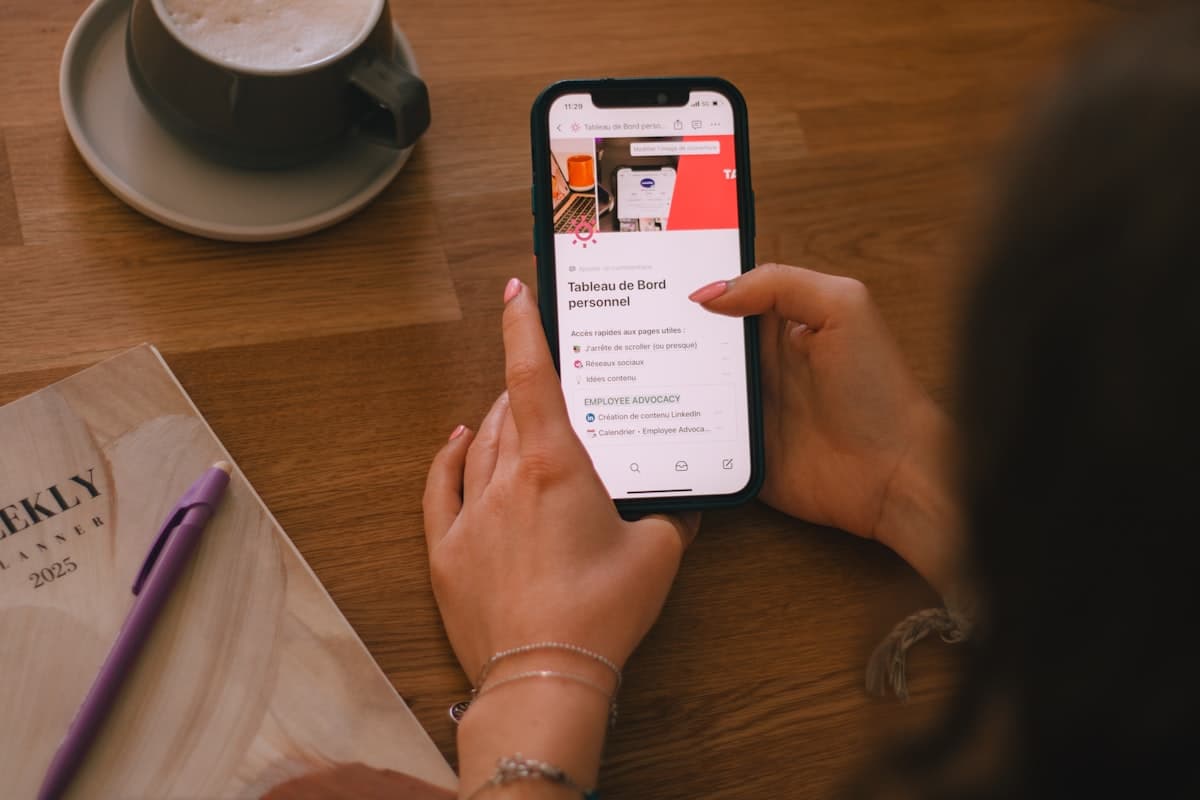
You're going to start a newsletter (emails you write and send out) about one small subject you care about, get the first one out fast, and keep going until three have gone out to real people. The skill is turning up on time: writing something people recognize as yours, and sending it every week even when nobody has clapped yet. Three in a row is where almost everyone quits.
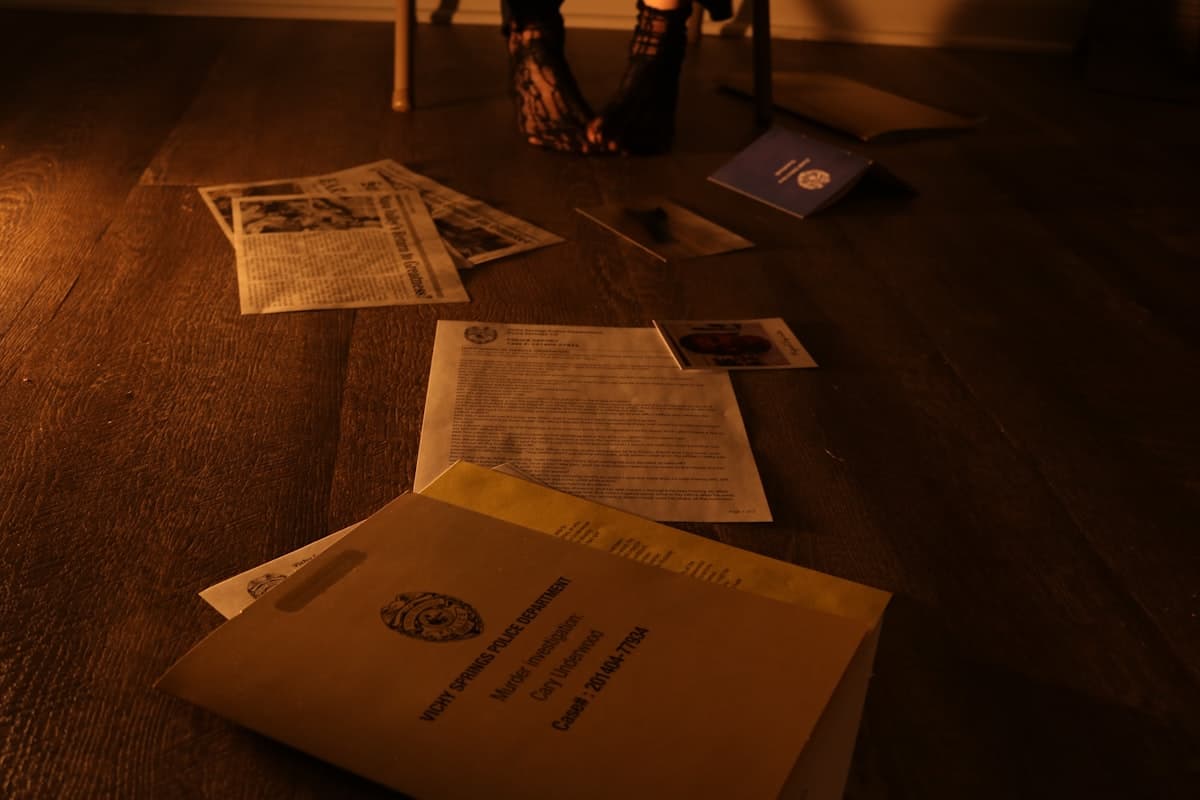
You're going to pick a real question with a real answer (how much your school spends on sports versus art, why a local landmark closed, what your city actually does with recycling) and answer it with the real paperwork, not opinion. The skill is working from proof: seeing what the paperwork actually shows versus what you assumed before you looked, and only saying what you can back up. That's the whole job. You'll end up with a real answer nobody handed you.