Build something real this weekend.
Every project ends in something you can show. Filter by what you want to make, or the career you want to try on.
Every project ends in something you can show. Filter by what you want to make, or the career you want to try on.
Showing 9 of 37 projects ·
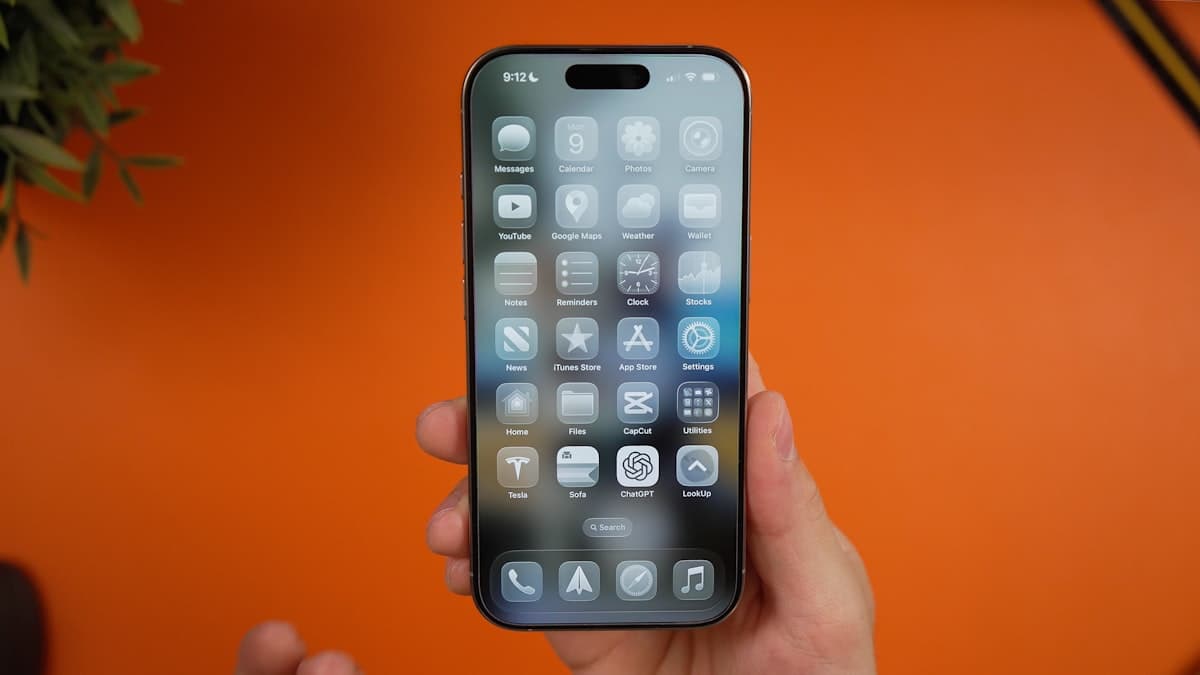
You're going to build an iOS Shortcut, a chain of steps your phone runs when you tap one button, that kills one annoying job you keep repeating, with AI doing the clever bit. Then a few friends actually install it and use it. The skill is the eye for what is worth handing to a machine: spotting a thing you do over and over and going 'I could make that disappear.' That's how automation engineers think, seeing a chain of steps where other people see a chore. You'll have a Shortcut friends keep on their phones.
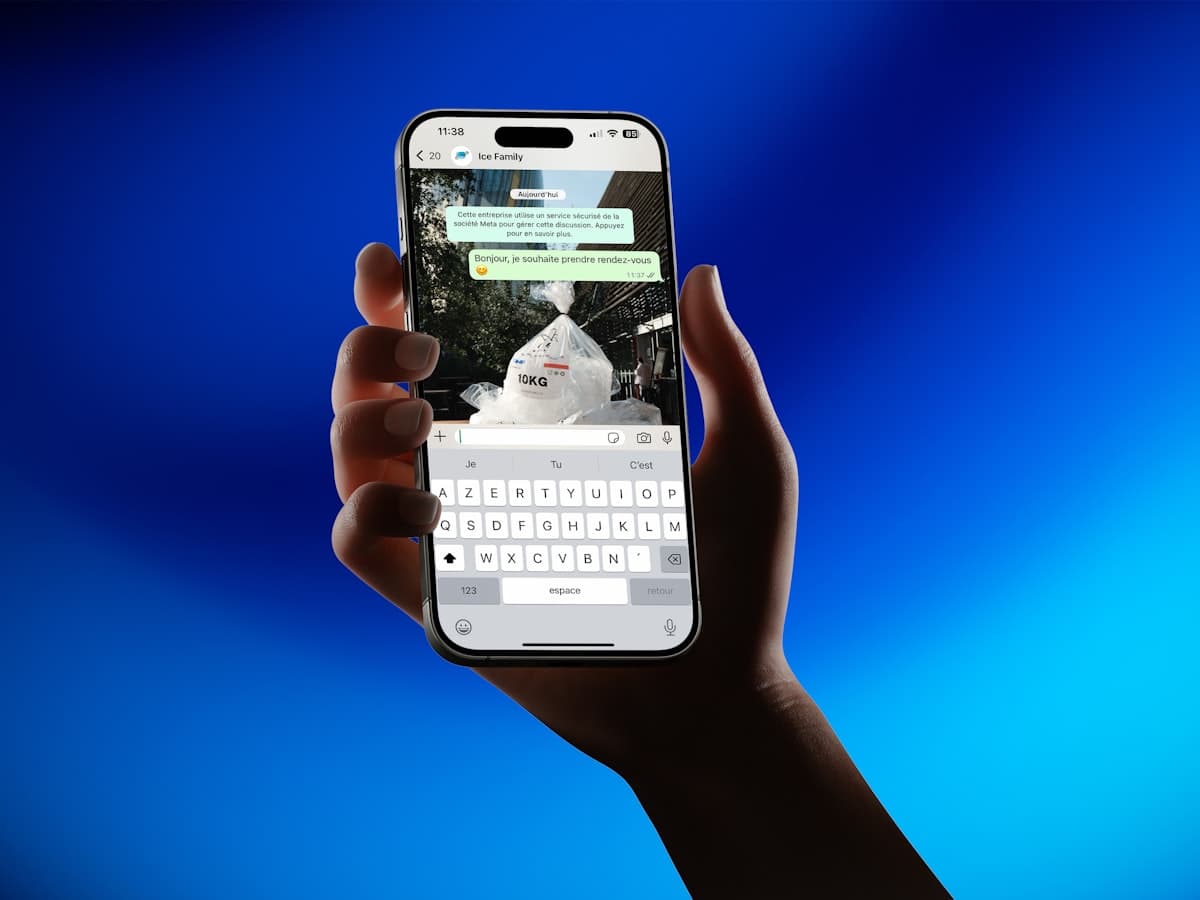
You're going to build a real AI assistant for one small job, write the instructions that make it nail that job every time, and get it into the hands of 10 real people who actually use it. The hard part is cutting the job small enough that the AI gets it right every time, not the tech. That is the core skill of building with AI, and this is the easiest way into a whole career. You'll have made something people actually keep using.
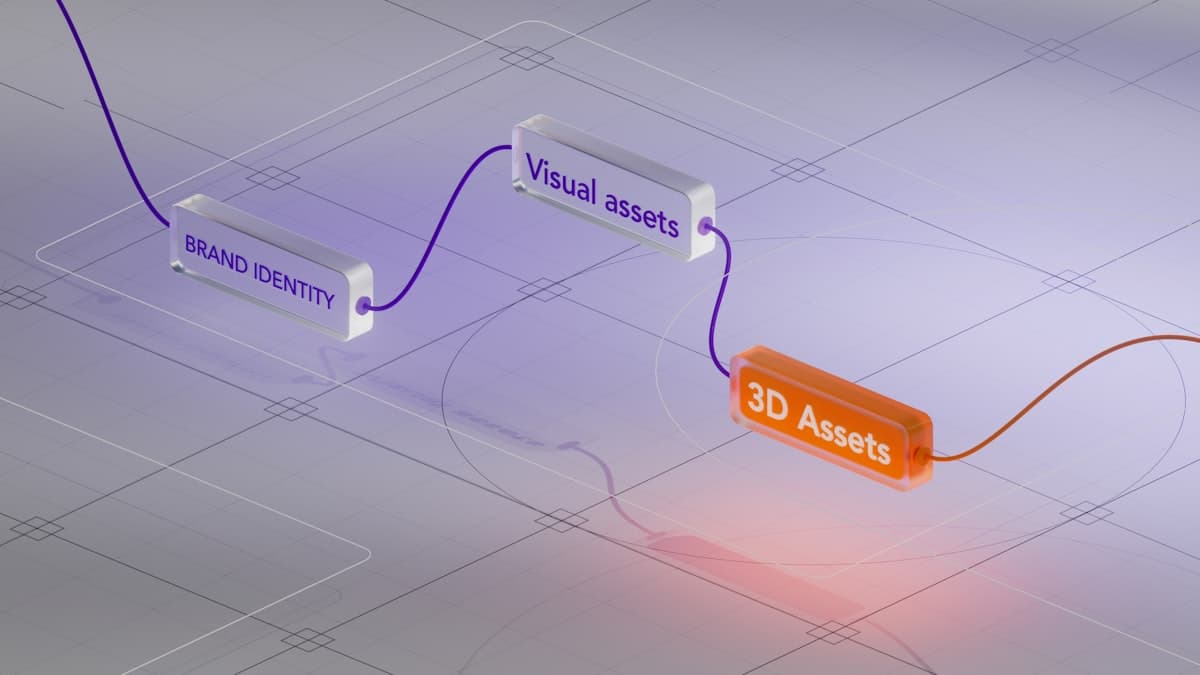
You're going to take a job with several steps that you do every week and build a chain of steps that runs it for you, on your own real stuff: a summary of your group chats, one post turned into five, a short note each morning about what's on your calendar. One of those steps hands the thinking to an AI, and the skill is joining the steps up so that one still holds when your own messy stuff hits it. AI application builders make things that run on their own, and this is a core piece of that. You'll have one running on your real life, every week, without you.

You're going to find a real local business, work out the thing that actually annoys them every day, build them an AI tool for it, and get them to use it for two weeks. The skill is listening: building for what they actually needed, not the cool version in your head, and learning the difference when you watch them use it. That's what separates people who build things others pay for from people who build things nobody uses. A real business will have used what you built.

You're going to build an AI helper that explains health information from trusted places like the CDC and NIH, and that knows when to say no: it never tells anyone what's wrong with them, never tells them what to do, and sends anything serious straight to a real doctor. The skill is deciding what a tool like this must never do, then proving it holds when someone asks the dangerous questions. As these get used for health, that's the rarest thing anyone building one can do.

You're going to build an assistant that answers questions using only your own notes, links and documents, and that you can trust because every answer shows you the exact note it came from. The skill is checking: getting it to answer from one set of material, then going back to that material to see whether the answer is really in there instead of taking its word. That is one of the most wanted things AI application builders do, because every company wants an assistant that knows their own stuff and doesn't make things up. You'll have one that knows your world and shows its notes.
You're going to build an AI helper that reads your incoming email, sorts it into groups, and writes draft replies for the ones that need them. The skill is designing the helper: deciding the groups, then drawing the line between what it handles on its own and what it has to hand back to you. That is the classic first AI helper anyone builds, and a core thing AI application builders make. You'll have one working on your real inbox.
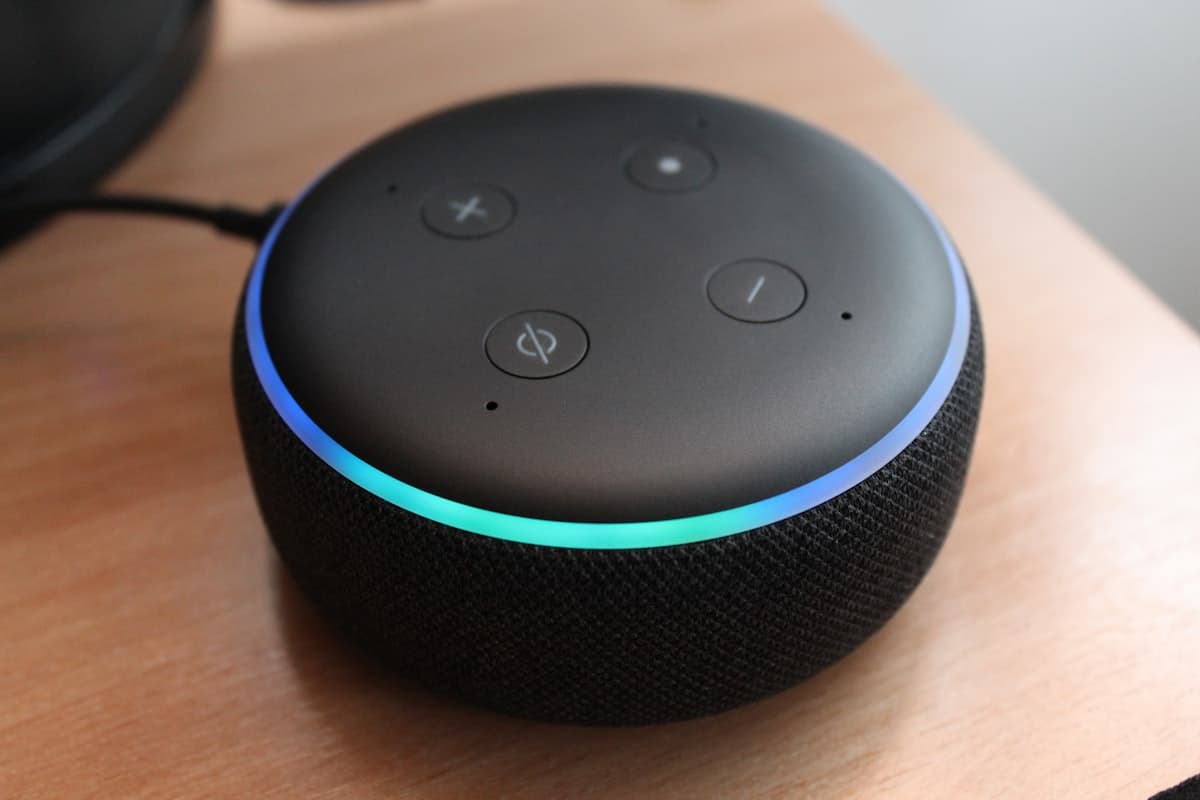
You're going to build a setup where you talk, an AI turns what you said into the right tidy thing (a task in your list, a note in your notes, a clean summary of a meeting), and it lands where you actually work. The skill is getting the AI to catch what you MEANT, not just the words you said, and tuning it when it reads you wrong. That's a growing slice of what AI application builders do. You'll have a setup you actually reach for.
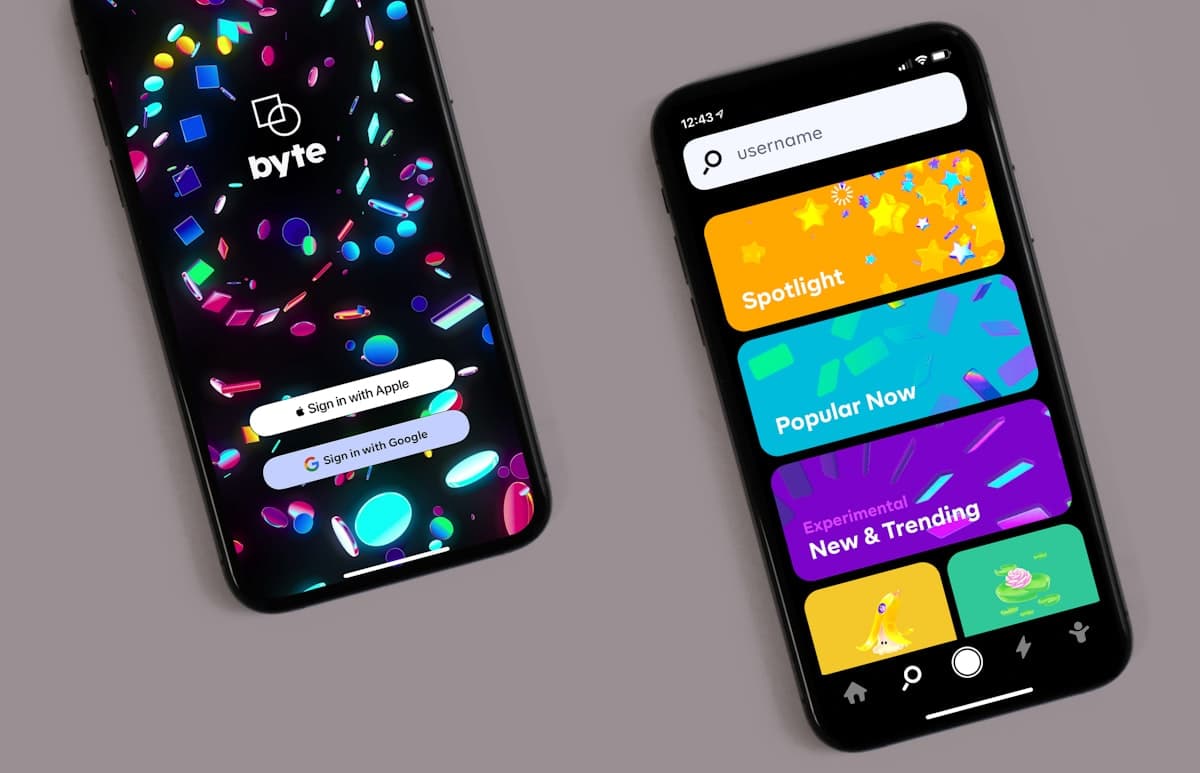
You're going to build an AI app that does a real job for a real person, then make it get things right often enough that they can actually depend on it. The skill is toughening it up: finding where the AI breaks, deciding how right is right enough for your person, and fixing the worst breaks. That's what AI engineers actually spend their time on, and it's becoming a real career. You'll have an app someone can actually depend on.