Think Like a Data Analyst: Find a Story in Real Data
Maps to: Data Analyst · Quantitative Analyst · Marketing Analyst · Journalist · Researcher · Consultant
You're going to take a real question you care about, find a big table of real numbers that can answer it (anyone can download these, free), and write down what you found (then put it where anyone can read it) with charts to back it up. The skill is the honest call: deciding what the numbers actually show versus what you were hoping to find, and not saying more than they prove. That's the real job. You'll have found something true in the numbers and made the case for it.
You're done when: A 1,000 to 1,500 word piece of writing, out where anyone can read it, with 2 or more real charts, arguing something you found in real numbers and checked yourself. You can say what the numbers actually show versus what you hoped, and what you got wrong. Not 'I made charts,' but 'I asked a real question and didn't say more than the numbers proved.'
How this shows up on a resume or college app
I analyzed dataset to answer question, publishing a piece with charts that argued finding, and being honest about what the data did and didn't support. I learned that the hard part of data analysis is asking the right question and not over-claiming the answer, not running the code.
When you finish, BuildMe drafts your Common App activity description from what you actually built.
Not sure yet? Play 5 minutes as a data analyst first and see how the work feels.
The plan
- 1
Step 1
Pick a question you can answer with real numbers
Start with an argument you actually want to settle with real numbers: something you and your friends go back and forth on, a claim adults repeat that you suspect is wrong, a trend you want to check. Write it as one question, plus one line on what answer would surprise you. That note is a real thing you keep, and it's what keeps you honest at the end, because you wrote down what you expected BEFORE you saw the numbers. The numbers themselves come as a big table someone collected, usually a spreadsheet you can download for free, and this whole project rides on pointing one at a question you genuinely want answered.
- 2
Step 2
Let AI do the maths, then check every number
You hand the boring part to an AI: cleaning up the spreadsheet (filling in blanks, fixing odd formats, so your counts aren't lies) and working out the numbers. Your job is the part that matters: checking its work, because these tools get numbers wrong while sounding completely sure, and one wrong number wrecks everything after it. Double-checking the answer until you trust it is what people in this job do all day.
- 3
Steps 3-4
Decide what the numbers really show, then turn it into a chart
The judgment step, and the reason this project exists: decide what the numbers actually show versus what you hoped to find, then build the 2 or 3 charts that show it. Next to everything you claim, write one honest line about its limit (people in this job call that the 'honest catch') so nobody reads too much into your chart. A smaller honest answer beats a big shaky one every time. Claiming more than the numbers prove is how people in this job stop being trusted.
- 4
Steps 5-6
Write it up, then put it online
Write the 1,000 to 1,500 word piece that lays out and argues what you found, with charts included, and put it up at a real link anyone can open. Lead with the finding, then show how you got there, honest catches and all.
Tools you'll use
Real examples for inspiration

Classic Rock is Changing: 20 years of Q104.3 countdown data
Chris Dalla Riva
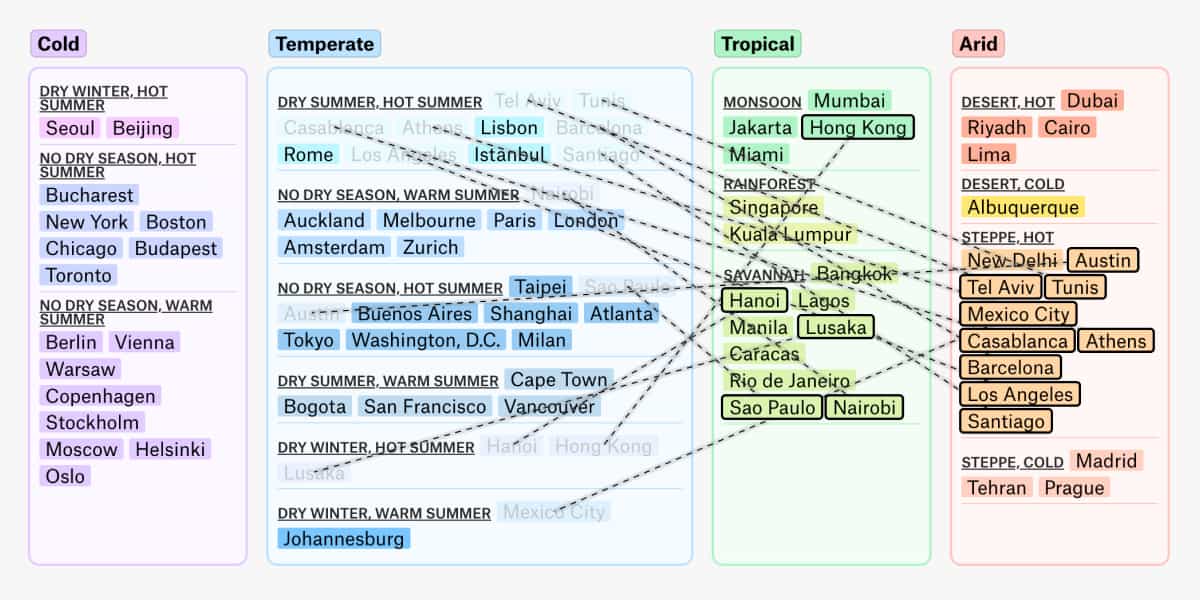
Climate Zones: how 70 cities will feel in 2070
Derek Taylor
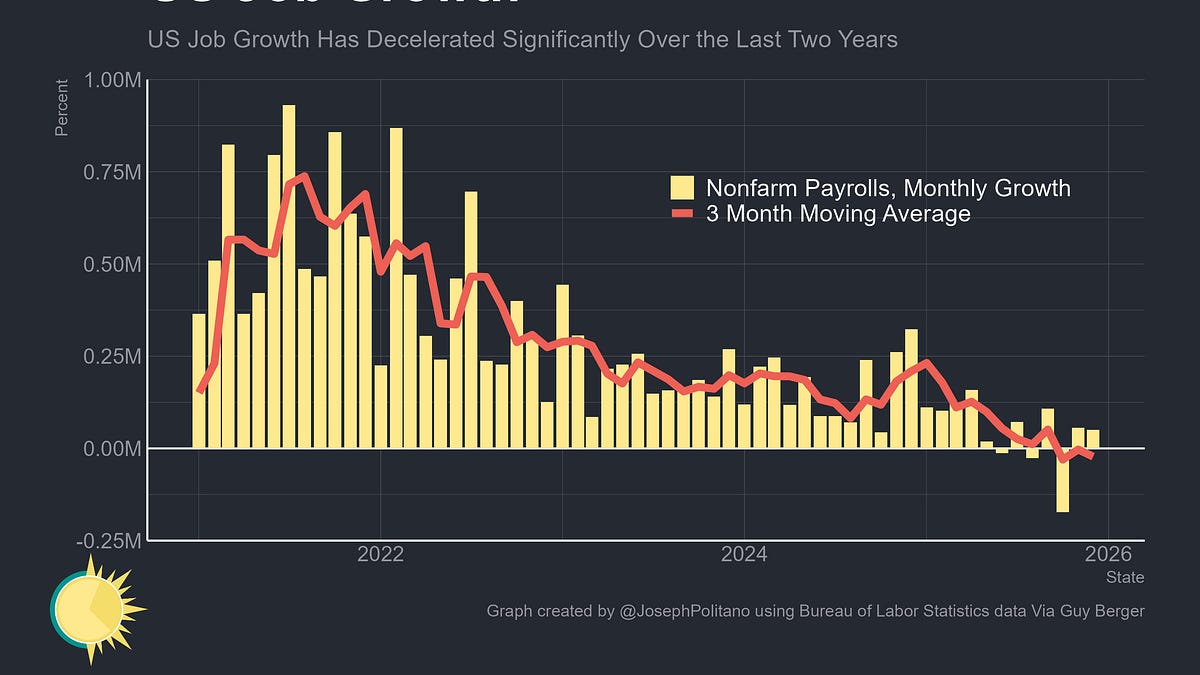
The 'No Hire' Economy: what a year of labor data says about who can't get hired
Joseph Politano

Games Are Too Long: counting why NBA games gained 90 seconds
Owen Phillips

The Four Types of Nones: k-means clustering 12,014 non-religious Americans
Ryan Burge